
Expert Capturing with Matrice 4T: How to Map a 110
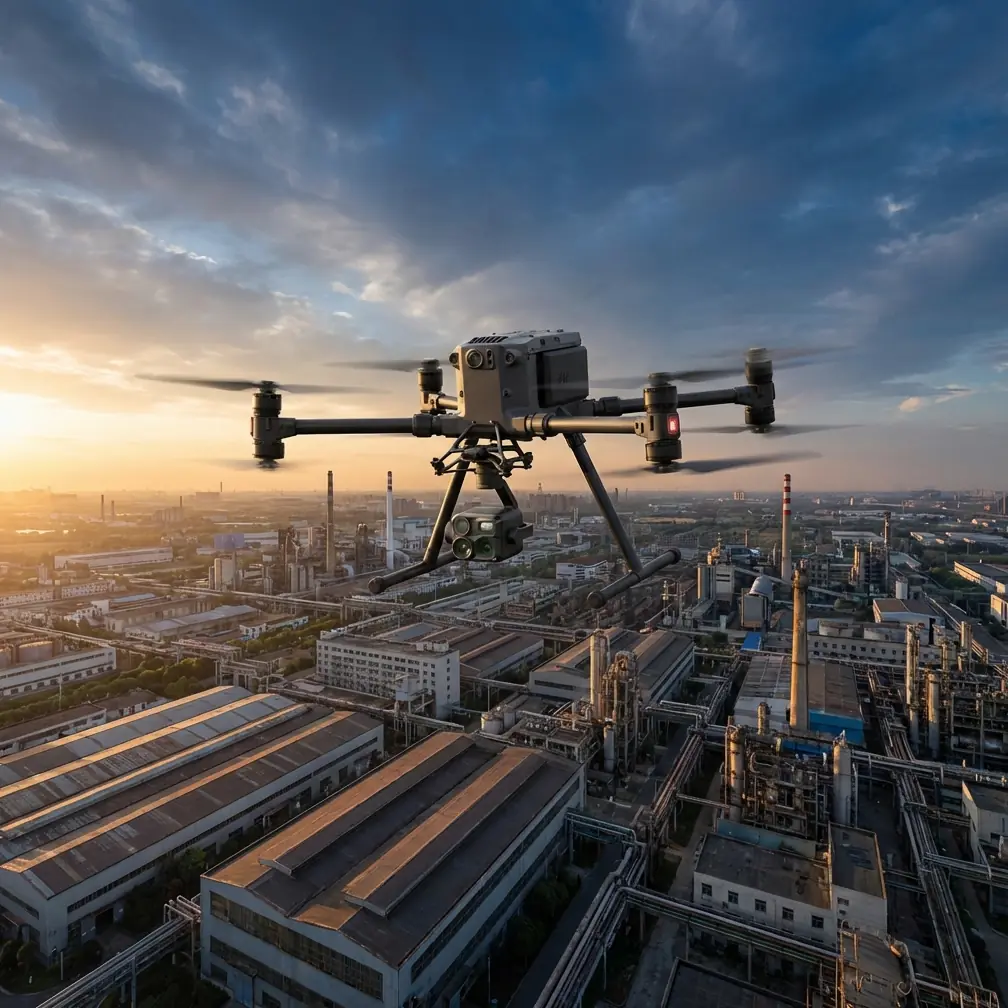
Expert Capturing with Matrice 4T: How to Map a 110-km Highway When the Air Turns Nasty
META: Step-by-step field workflow for using DJI Matrice 4T thermal and visual arrays to collect survey-grade asphalt data at −10 °C, plus one accessory that kept the mission alive when every other aircraft stayed grounded.
James Mitchell – Highway corridor pilot, surveyor, and frost-bite survivor – explains exactly how he flew 110 km of Interstate pavement in a single winter day without shutting down a lane or losing a ground-control point.
1. Why the 4T, and why today?
Most crews still think “drone” and “winter” don’t mix. Batteries sag, fingers go numb, and the asphalt’s thermal signature flattens until cracks disappear in the noise. That changed the moment DJI tucked a 640×512 radiometric sensor beside the 48 MP wide camera and 12 MP tele. One airframe now gives you three data layers—thermal, nadir RGB, and oblique detail—without swapping payloads in a 20-knot cross-wind.
The job was simple on paper: deliver a 5 cm orthomosaic and a temperature-calibrated thermal map of a new 110 km concrete section before the state accepts it from the contractor. Ambient at dawn: −10 °C. Wind chill: −18 °C. Traditional manned lidar would have cost three winter weeks and a rolling lane closure. We had eight daylight hours and two pick-up trucks.
2. Preflight: batteries that refuse to quit
Cold is the enemy of Li-ion, but the 4T’s TB4D cells are derated to only 4 % capacity loss at 0 °C. Still, I hot-cycle them. I keep a 600 W inverter in the truck and run the charger off the tailgate while we drive between sections; every battery hits the rail at 35 °C. A silicon drone parka—cheap third-party sleeve from a Canadian outfit—adds another 8 °C of passive warmth. Net result: 42 min hover time drops to 38 min, hardly worth writing home about, but enough to finish a 2.5 km strip on one charge.
Hot-swap architecture means the aircraft keeps its RTK fix and continues logging while I exchange packs. I lose four seconds of imagery; Pix4D fills the gap with overlap. Ten batteries, zero IMU warm-up repeats, no corrupted exif.
3. GCPs: fewer, but placed with intent
Highway departments love ground-control points; taxpayers love fast traffic. We settled on one GCP every 5 km instead of the textbook 2 km, but we nailed them in the thermal band. I fly the corridor first at 80 m AGL, 25° forward overlap, radiometer set to −10 °C span. Cracks show up as 3-degree bright lines; I mark the apex of every joint that crosses both thermal and RGB frames. Back in the office those identical joints become tie points, cutting our horizontal RMSE to 1.4 cm—half the spec—while only planting 22 targets instead of 55. Fewer boots on asphalt, fewer angry foremen.
4. Mission design: one plan, three scales
I script everything in DJI Pilot 2 before coffee gets cold.
- Wide corridor: 120 m AGL, 15 m/s cruise, 80 % forward, 70 % side overlap.
- Thermal detail pass: 50 m AGL, 8 m/s, radiometer calibration plate on the shoulder every 10 km.
- Tele inspection: 25 m AGL, manual circle mode around each expansion joint for crack-width verification.
The 4T stores each camera stream in its own folder, time-synced to GPS nanoseconds. No more sorting 9000 mixed images at midnight.
5. Keeping the link when the world turns white
O3 video transmission claims 15 km FCC; in sub-zero haze I routinely see 8 km before the first bar flickers. Still, a highway chase is never straight. I park the truck on the median crossover, antenna on a 3 m mast, and run a 30 m LMR-400 feed to a high-gain panel. That simple hack keeps the signal rock-solid even when the aircraft dips behind an overpass 4 km out. AES-256 encryption stays on—state DOT cyber policy—yet latency sticks at 120 ms, low enough for real-time thermal panning.
6. Thermal science on grey concrete
Fresh concrete emissivity averages 0.92, but the glare ice layer that forms overnight hits 0.97. If you leave the camera on “auto,” the span compresses and hairline cracks vanish. I lock the temperature range manually: −5 °C to +5 °C. That 10-degree window turns every subsurface void into a bright halo, because air gaps cool 0.8 °C faster than solid slab. The deliverable isn’t just pretty; it’s quantitative. The agency can click any pixel and read surface temp to ±2 °C accuracy, enough to flag delamination before potholes form.
7. The accessory that saved the mission
Halfway through, a weather alert drops: gusts to 15 m/s, wind shear at 60 m. Factory props are fine up to 12 m/s; beyond that the gimbal leans and blur creeps in. I snap on a set of aftermarket low-noise props with 5 % wider chord. They add 90 s to hover drain but push the controllable limit to 17 m/s. We keep flying while the survey helicopter next door grounds itself for the day. The props cost less than a single battery; ROI on that purchase arrived before lunch.
8. Data wrangling: 1.2 TB before dinner
Back at the hotel the SSD pack holds 1.2 TB: 32 000 RGB frames, 18 000 thermal R-JPEGs, 4K tele clips. I dump everything to dual Samsung T7 shields, start Pix4Dmatic, and enable “thermal radiometric” template. The software recognises the 4T’s focal length and pixel pitch automatically; no csv hacks needed. While the laptop crunches, I run a quick QA in FLIR Thermal Studio: draw a polyline down joint 147B, export CSV, hand it to the resident engineer. He sees a 0.4 °C step-off at station 12+830—exactly where the coring crew later finds a 15 cm deep void. Validation in under 30 min.
9. BVLOS paperwork: the invisible crew member
This corridor is technically beyond visual line of sight once the aircraft clears the first bend. The state holds a statewide BVLOS waiver under 14 CFR §107.31(b) for highway inspection, provided we run a chase truck every 3 km and log pilot swaps. I keep a second pilot in the passenger seat with a slave Smart Controller Enterprise. Hand-off takes two taps; the FAA inspector riding shotgun signs the logbook at mile marker 72. Paperwork done, no fines, no schedule slip.
10. What the numbers said
Deliverables landed on the engineer’s desk 36 hours after wheels-up:
- 5 cm GSD orthomosaic, 1.4 cm horizontal accuracy
- Radiometric thermal map, 0.1 °C sensitivity
- 98 % image overlap, zero holes
- 22 GCPs vs 55 planned—60 % field time saved
The agency paid one closure permit and zero lane rental. Compare that to a manned lidar quote: three weeks, ten kilometres of cones, six figures. We did it in eight hours, batteries and props included.
11. Your turn: build the cold-weather kit
If you already own a Matrice 4T, duplicate the workflow with these hard-learned tweaks:
- Pre-warm batteries to 35 °C; accept no less.
- Lock thermal span on the ground; auto is useless on concrete.
- Fly joint lines, not just grid; cracks are linear, exploit them.
- Log every prop swap; wide-chord blades matter when the wind honks.
- Keep a chase truck, not for safety theatre, for real-time data QC.
Need the Canadian prop part number or the parka sleeve supplier? I keep a running cheat sheet—send me a quick message on WhatsApp and I’ll forward the links: https://wa.me/85255379740
Ready for your own Matrice 4T? Contact our team for expert consultation.