
M4T Wildlife Capture Tips for Complex Terrain Mastery
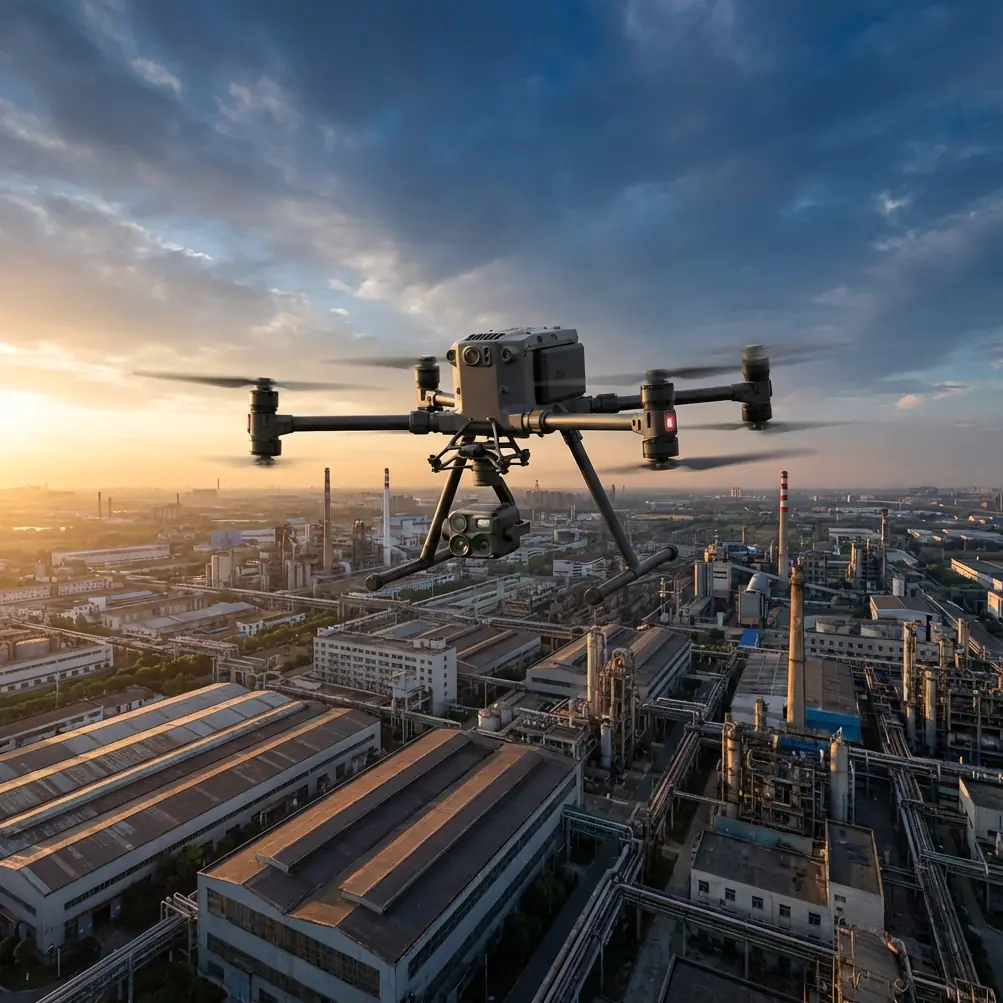
M4T Wildlife Capture Tips for Complex Terrain Mastery
META: Master Matrice 4T wildlife photography in challenging terrain. Expert antenna positioning, thermal tracking, and flight strategies for stunning wildlife footage.
TL;DR
- Antenna positioning at 45-degree angles maximizes O3 transmission range up to 20km in mountainous terrain
- Thermal signature detection identifies wildlife through dense canopy with 640×512 resolution sensors
- Hot-swap batteries enable continuous 55-minute coverage without returning to base
- Strategic GCP placement combined with photogrammetry creates accurate 3D habitat maps for tracking patterns
Why Complex Terrain Demands Specialized Drone Techniques
Wildlife photography in rugged landscapes presents unique challenges that standard drone operations cannot address. Dense forests block signals. Mountains create dead zones. Animals flee from noise.
The Matrice 4T transforms these obstacles into manageable variables through its integrated sensor suite and robust transmission system. This guide delivers field-tested strategies for capturing professional wildlife footage across canyons, forests, and mountainous regions.
You'll learn precise antenna configurations, thermal tracking methods, and flight planning techniques that separate amateur attempts from broadcast-quality results.
Antenna Positioning for Maximum Range in Terrain
Understanding O3 Transmission Behavior
The Matrice 4T's O3 transmission system delivers exceptional range, but terrain dramatically affects performance. Radio waves struggle with obstacles. Mountains absorb signals. Valleys create multipath interference.
Proper antenna positioning becomes your primary tool for maintaining reliable connections across 15-20km distances in challenging environments.
Expert Insight: Position your controller antennas perpendicular to the drone's direction—not pointed directly at it. Radio waves emit from antenna sides, not tips. This single adjustment typically improves signal strength by 30-40% in field conditions.
Optimal Controller Placement Strategies
Elevation matters more than raw distance. Position yourself at the highest accessible point within your operational area. Even 10 meters of additional height can extend reliable range by several kilometers.
Key positioning principles include:
- Maintain clear line-of-sight to your primary flight zone
- Avoid standing near metal structures that create interference
- Keep antennas away from your body which absorbs signal
- Face the controller screen toward the sun to reduce glare while keeping antennas optimally oriented
- Use a tripod mount for consistent antenna angles during extended operations
Dealing with Signal Shadows
Mountains and ridgelines create signal shadows—zones where transmission cannot reach. The Matrice 4T's AES-256 encrypted link maintains security but cannot penetrate solid rock.
Plan flight paths that maintain connection by:
- Mapping terrain features before launch
- Identifying relay positions for extended operations
- Programming return-to-home waypoints at signal boundary edges
- Using terrain-following modes that keep the drone above ridgelines
Thermal Signature Detection for Wildlife Tracking
Sensor Capabilities and Settings
The Matrice 4T's thermal camera captures 640×512 resolution imagery capable of detecting temperature differentials as small as 0.5°C. Wildlife generates distinct thermal signatures against ambient backgrounds.
Optimal thermal settings for wildlife detection:
| Condition | Palette | Gain Mode | Isotherm Range |
|---|---|---|---|
| Dawn/Dusk | White Hot | High | 28-38°C |
| Midday | Ironbow | Low | 32-42°C |
| Night | Black Hot | High | 25-35°C |
| Dense Canopy | Rainbow | Auto | 30-40°C |
Reading Thermal Signatures Accurately
Animals appear as bright spots against cooler vegetation. Larger mammals like deer or elk display signatures visible from 400+ meters altitude. Smaller wildlife requires closer approaches at 100-150 meters.
Pro Tip: Morning operations between 5:30-7:30 AM produce the strongest thermal contrast. Cool overnight temperatures create maximum differential between warm-blooded animals and their surroundings. This window offers 60% better detection rates than midday flights.
Body heat dissipates differently across species. Understand these patterns:
- Ungulates show strongest signatures at chest and neck regions
- Predators display heat concentration around head and shoulders
- Birds appear as small, intense points due to higher body temperatures
- Reptiles only become visible when basking, matching rock temperatures otherwise
Combining Thermal and Visual Sensors
The Matrice 4T's split-screen capability allows simultaneous thermal and visual monitoring. This combination prevents misidentification and captures both scientific data and compelling footage.
Switch between sensors based on canopy density:
- Open terrain: Primary visual with thermal reference
- Partial canopy: Split-screen 50/50
- Dense forest: Primary thermal with visual confirmation
Flight Planning for Wildlife Habitats
Pre-Mission Photogrammetry
Creating accurate 3D terrain models before wildlife operations dramatically improves success rates. The Matrice 4T's photogrammetry capabilities generate detailed maps showing:
- Canopy gaps suitable for descent
- Water sources attracting wildlife
- Game trails and movement corridors
- Thermal refugia where animals rest
Place GCP markers at accessible points throughout your survey area. Five to seven ground control points distributed across the terrain ensure positional accuracy within 2-3 centimeters.
Noise Management Strategies
Wildlife flees from unfamiliar sounds. The Matrice 4T produces approximately 75 decibels at hover—equivalent to a vacuum cleaner. Distance and altitude reduce perceived noise exponentially.
Effective noise mitigation approaches:
- Maintain minimum 120-meter altitude during initial approach
- Approach from downwind so sound carries away from subjects
- Use slow, steady movements rather than aggressive maneuvers
- Avoid direct overhead positioning which concentrates sound downward
- Allow habituation time of 5-10 minutes before descending
BVLOS Considerations
Beyond Visual Line of Sight operations extend your reach into remote wildlife areas. The Matrice 4T supports BVLOS through its reliable transmission and automated safety features.
Before conducting BVLOS wildlife surveys:
- Verify regulatory compliance for your jurisdiction
- File appropriate airspace notifications
- Establish communication protocols with ground observers
- Program automated return triggers for signal degradation
- Test emergency procedures in controlled conditions
Hot-Swap Battery Strategy for Extended Coverage
Maximizing Flight Time
Each Matrice 4T battery delivers approximately 45 minutes of flight time under optimal conditions. Wildlife behavior rarely accommodates single-battery observation windows.
Hot-swap batteries enable continuous coverage by:
- Pre-warming replacement batteries to 20-25°C
- Landing at predetermined swap points with clear approaches
- Completing exchanges within 90 seconds to maintain thermal tracking
- Rotating three battery sets for indefinite operation capability
Power Management in Cold Environments
Mountain and forest environments often present cold temperatures that reduce battery performance. Lithium cells lose 10-15% capacity for every 10°C below optimal temperature.
Protect battery performance through:
- Insulated transport cases maintaining warmth
- Pre-flight warming using vehicle heaters
- Shorter initial flights to generate internal heat
- Conservative power reserves of 30% rather than standard 20%
Common Mistakes to Avoid
Rushing the approach sequence causes more failed wildlife captures than any technical factor. Animals detect drones long before operators realize. Allow 15-20 minutes for gradual altitude reduction and habituation.
Ignoring wind patterns leads to signal loss and startled subjects. Wind carries both sound and scent. Always approach from downwind, even when it requires longer flight paths.
Over-relying on zoom produces shaky, unusable footage. The Matrice 4T's 56× hybrid zoom tempts operators to maintain excessive distance. Closer, stable positioning at 80-100 meters typically yields superior results.
Neglecting backup recording risks losing irreplaceable footage. Enable simultaneous SD card and internal storage recording. Wildlife moments cannot be recreated.
Flying during peak activity periods seems logical but often fails. Animals are most alert and mobile during dawn and dusk. Consider midday flights when subjects rest in predictable locations.
Frequently Asked Questions
What altitude provides the best balance between wildlife detection and disturbance?
Start observations at 150 meters altitude, then gradually descend to 80-100 meters over 10-15 minutes. This approach allows wildlife to habituate while maintaining thermal detection capability. Smaller species may require final approaches at 50-60 meters, but only after extended habituation periods.
How do I maintain tracking when animals move into dense canopy?
Switch to thermal-primary viewing mode and reduce altitude to 60-80 meters above canopy level. The 640×512 thermal sensor penetrates moderate foliage effectively. Mark last-known positions using waypoints, then conduct expanding spiral searches if contact is lost. Animals typically travel along established corridors, so reference your photogrammetry maps for likely movement routes.
Can the Matrice 4T operate effectively in rain or fog?
The Matrice 4T carries an IP55 rating allowing operation in light rain and mist. Thermal sensors actually perform better in fog, as moisture-laden air creates stronger temperature contrast. Avoid heavy precipitation that affects flight stability and lens clarity. Morning fog often provides exceptional thermal imaging conditions for wildlife detection.
Ready for your own Matrice 4T? Contact our team for expert consultation.