
Matrice 4T in Dusty Field Delivery: A Specialist’s Case
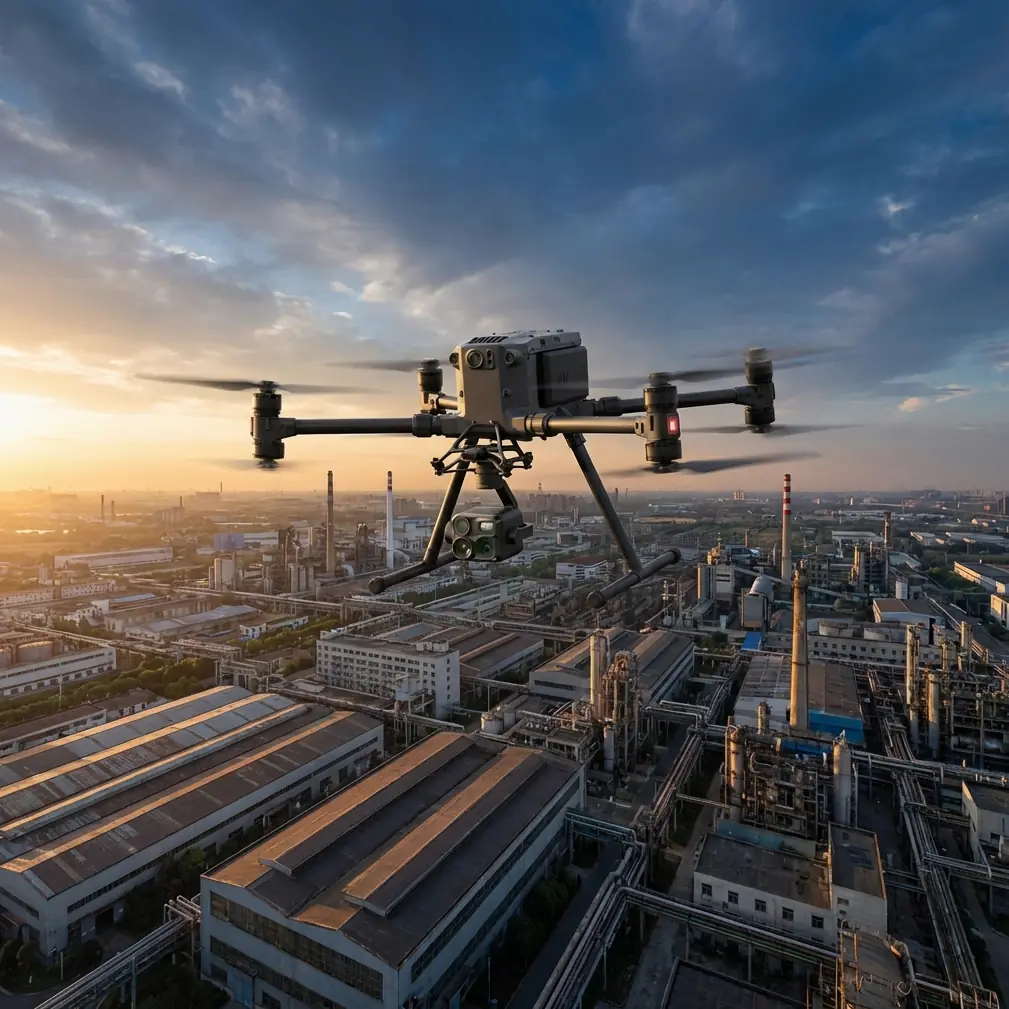
Matrice 4T in Dusty Field Delivery: A Specialist’s Case Study on Signal Stability, Thermal Awareness, and Fast Turnarounds
META: A field-based Matrice 4T case study for dusty delivery operations, covering antenna adjustment, electromagnetic interference, thermal signature use, O3 transmission, AES-256 security, hot-swap batteries, and BVLOS planning.
I’ve seen capable aircraft look ordinary on paper and then reveal their value only when the environment starts working against them. Dust does that. So does heat shimmer. So does a cluttered RF environment near pumps, metal sheds, buried power infrastructure, and long agricultural lanes where line of sight is never quite as clean as it appears from the road.
This case study is built around a simple assignment: using the Matrice 4T to support field delivery operations in dusty conditions. Not parcel drop fantasies and not broad marketing claims. Real work. Repeated sorties. Tight turnaround windows. Operators wearing gloves. Vehicles moving between paddocks. Intermittent electromagnetic interference. A need to confirm route safety, payload handoff points, and return conditions without wasting battery cycles on guesswork.
The Matrice 4T earns its place here not because it is a generic “enterprise drone,” but because several specific features combine in a way that matters in the field. O3 transmission helps maintain command and video continuity over longer agricultural corridors. AES-256 matters when route data, customer coordinates, and inspection imagery are moving through operational workflows that should not be casually exposed. Thermal imaging is not just for dramatic visuals; in dust, low contrast, or late-day glare, thermal signature checks can reveal people, vehicles, livestock, or overheating equipment near a delivery zone faster than visible imagery alone. And hot-swap batteries change the tempo of the day more than most spec sheets admit.
The operating environment: dusty fields are not “easy open air”
People unfamiliar with agricultural operations often assume fields are ideal for UAV work because there are fewer buildings. In practice, dusty field delivery is a layered problem.
The air can be visibly clear at takeoff and then turn abrasive and turbulent closer to the ground once a utility vehicle passes. Temporary storage structures and metal irrigation systems can create odd reflections and interference pockets. A route that looks obvious on a map may cross areas where visual references flatten out under haze. Landing or hover points can become ambiguous once rotor wash lifts loose soil.
On one site review, the most persistent challenge wasn’t wind. It was signal inconsistency near a machinery staging area at the edge of the fields. The aircraft was stable, but the control link quality fluctuated enough to create hesitation in the pilot’s decisions. That is exactly the kind of hesitation that stretches a short task into an inefficient one.
This is where a detail many teams treat casually starts to matter: antenna adjustment.
Antenna positioning and electromagnetic interference: small change, outsized effect
The narrative spark here is worth unpacking because it reflects a common field mistake. Operators often focus on altitude, route, and payload, but neglect controller antenna orientation until the video feed becomes choppy. By then they are reacting instead of preventing.
In a dusty delivery environment, electromagnetic interference can come from more than obvious towers. Power systems, pump stations, temporary generators, metal-sided structures, and even parked machinery clusters can distort link quality. With the Matrice 4T, getting the most from O3 transmission isn’t only about trusting the radio system. It’s about presenting the antennas correctly to the aircraft throughout the route.
During field operations, a practical adjustment made the difference: instead of holding a fixed controller position while the drone crossed oblique angles to the pilot, the operator deliberately reoriented body position and antenna alignment to preserve a cleaner geometry with the aircraft. That reduced signal dips near the staging area and restored a more consistent live view. It sounds basic because it is basic. It is also one of the highest-value habits in agricultural drone work.
The operational significance is straightforward. Better link consistency means fewer pauses, fewer unnecessary climbs to “regain confidence,” and less battery consumed by indecision. In delivery support, that translates directly into tighter sortie timing and more predictable task completion.
Why thermal signature matters in delivery support
Many readers associate the Matrice 4T with inspection and search tasks before they think about delivery support. That misses one of its sharpest advantages. In dusty fields, visible cameras can lose clarity exactly when you need confidence near a handoff point. Dust hangs low. Sun angle creates washout. Similar-colored ground surfaces flatten visual contrast.
Thermal signature interpretation gives the operator another layer of truth.
A person waiting at a transfer point may stand out thermally before they are easy to identify in visible view. A recently operated vehicle can remain thermally distinct near a loading zone. Livestock hidden along a route edge can be detected without relying solely on shape recognition through dust. Even equipment health checks become possible during the same sortie. If a pump motor or electrical box near the drop corridor is running abnormally hot, that may prompt a route adjustment or a separate maintenance note.
This is where the Matrice 4T becomes more than a flying camera. It becomes a field decision tool.
The key is not merely having a thermal sensor. The key is using thermal intentionally as part of pre-delivery verification and post-delivery area clearance. In civilian field operations, that can improve safety and cut down on second passes.
Hot-swap batteries and why they change the rhythm of the day
Battery management is usually discussed in abstract terms, yet in dusty field work the time between flights matters almost as much as flight time itself. Dust encourages shorter, more disciplined mission cycles because crews often want to inspect the aircraft, clean critical surfaces, and confirm payload security between sorties. Long gaps on the ground are the enemy of throughput.
Hot-swap batteries are one of those features that only reveal their full value after several hours in the field. When the aircraft can be turned around quickly, teams can preserve momentum while still following sensible inspection routines. That matters in delivery support where requests can cluster around irrigation schedules, maintenance windows, and worker movement patterns.
Operationally, hot-swapping does three things:
- It reduces idle time between tasks.
- It makes battery rotation more systematic.
- It lowers the temptation to overextend a sortie simply because landing and relaunching feels disruptive.
That third point is often ignored. Pilots under time pressure may push a mission farther than they should if recovery and relaunch seem cumbersome. Efficient battery exchange makes conservative flight planning easier to follow.
Dust, optics, and route validation
The Matrice 4T is often discussed through its sensor suite, but dusty field operations reward method more than hardware pride. Before each launch, route validation should not stop at checking waypoints and wind. The crew should think in terms of visibility layers.
First, visible imagery confirms terrain and obstacles. Then thermal verifies activity around the path and destination zone. Together they provide a fuller picture than either mode alone. In some settings, that dual check can prevent a delivery approach toward an area that is technically accessible but operationally poor due to ground activity or heat-generating equipment.
If the operation also includes mapping updates or corridor planning, photogrammetry enters the workflow. Not every delivery job needs a formal map product, but recurring field operations benefit from current site models, especially where tracks, storage points, or temporary work zones shift weekly. Good photogrammetry practices paired with reliable GCP placement improve the quality of those maps and reduce route ambiguity later.
That matters because field delivery fails less often from dramatic incidents than from small uncertainties: Is the transfer point still clear? Has the access lane moved? Did equipment get parked in the old approach zone? A regularly updated site model answers those questions before they become airborne problems.
O3 transmission in long agricultural corridors
Among the reference cues, O3 transmission deserves specific attention because agricultural routes are deceptive. The drone may be operating over open land, yet the actual radio environment can be uneven. Trees at canal edges, utility runs, metal roofs, and moving machinery can create moments where confidence drops faster than signal metrics alone suggest.
In this setting, O3 transmission supports more stable control and live viewing, especially when paired with disciplined antenna orientation. The benefit is not abstract range bragging. The benefit is continuity. Continuity lets the pilot focus on task execution rather than constantly questioning whether the next turn will degrade the feed.
For teams planning longer corridor work, especially those thinking ahead to regulated BVLOS frameworks where allowed, transmission reliability becomes part of the operational culture. Even when missions are conducted within visual and regulatory limits, building habits around signal discipline prepares the team for more advanced workflows later.
Data security is not a luxury in field logistics
AES-256 is easy to gloss over because it sounds like an IT department concern. In delivery-related operations, it is directly operational. Agricultural logistics can involve sensitive route information, customer site locations, infrastructure imagery, and internal workflow data. If a drone is being used not just to fly but to document movement, verify drop zones, and support recurring field service, then the imagery and telemetry have business value beyond the flight itself.
AES-256 helps protect that information as part of a more professional operational posture. This is especially relevant when teams share footage for route review, incident checking, or maintenance planning. Security should not be an afterthought simply because the work happens over farmland rather than a city center.
A practical field workflow for dusty delivery sorties
For crews using the Matrice 4T in similar conditions, a repeatable sequence tends to work best:
Start with a short ground scan of the launch area and intended route. Identify likely interference sources, especially pumps, generators, and metal structures. Note where the pilot will physically stand during critical portions of the flight so antenna orientation is not an afterthought.
Launch and use visible imaging to confirm broad route clarity. Then switch to thermal signature checks near the transfer point and along any area where workers, vehicles, or animals may blend into the background visually.
If signal quality softens, do not immediately blame the aircraft. Reassess controller orientation and body position. In one of the more instructive field sessions I’ve observed, a simple adjustment in operator stance restored a usable link without changing the route or altitude.
Land with battery margin instead of stretching the sortie. Use hot-swap capability to keep turnaround fast while checking dust accumulation around critical surfaces and sensors.
If the site changes often, add periodic photogrammetry missions supported by proper GCPs so future delivery routes are based on current ground truth rather than memory.
That workflow sounds disciplined because it has to be. Dust punishes improvisation.
The human factor: the Matrice 4T rewards skilled operators
The strongest teams I’ve worked with do not treat the Matrice 4T as a self-solving platform. They treat it as a system that becomes more effective when pilot technique, RF awareness, thermal interpretation, and mission planning are integrated.
That matters for training. New operators often obsess over image quality and undertrain on signal geometry. Experienced operators know that a perfect sensor stack still depends on positioning, timing, and interpretation. They also know that thermal data is only useful if the crew understands what they are looking at. A warm engine, sun-baked metal, and a person at a handoff point can all present strong signatures, but they mean very different things operationally.
This is one reason field coaching is so valuable. If your team is refining practical workflows for agricultural or industrial routes, it can help to message a field operations specialist here and compare your setup against real deployment patterns rather than brochure assumptions.
What this case really shows
The deeper lesson from dusty field delivery with the Matrice 4T is not that one feature saves the day. It is that several features become meaningful when used together under pressure.
Thermal signature analysis improves route and landing-zone awareness when visibility is imperfect. O3 transmission supports continuity, but only if the operator respects antenna alignment and responds intelligently to interference. AES-256 strengthens the professionalism of data handling in logistics workflows. Hot-swap batteries improve tempo and reduce the operational drag between sorties. Photogrammetry and GCP-supported site updates help recurring routes stay current instead of drifting into guesswork.
That combination is what makes the aircraft valuable in this environment.
A lot of drone articles flatten everything into a list of capabilities. Field work does not. Dust, heat, interference, and changing site conditions force every capability to prove itself. The Matrice 4T proves itself when the crew uses it as a coordinated platform for sensing, signal management, and repeatable execution.
That is the difference between flying over a field and actually supporting work on one.
Ready for your own Matrice 4T? Contact our team for expert consultation.