
Matrice 4T in Dusty Forest Operations: What Actually
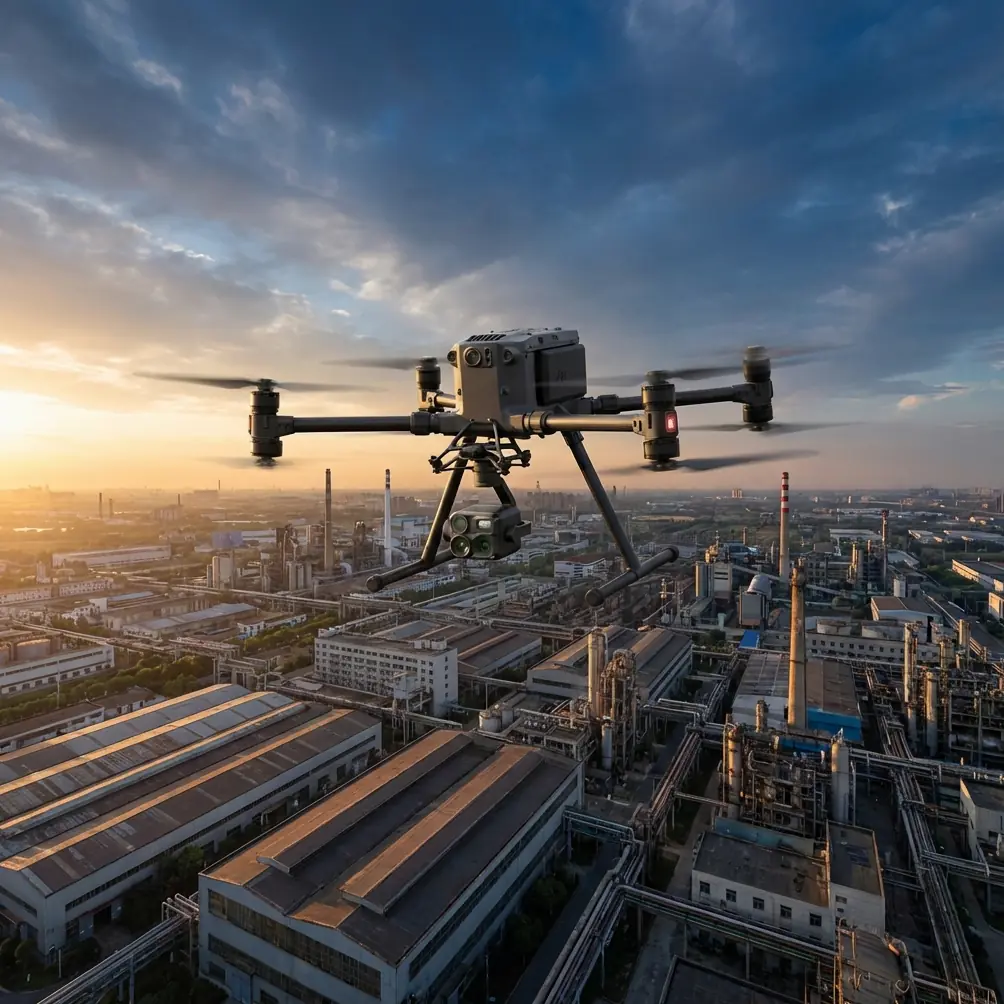
Matrice 4T in Dusty Forest Operations: What Actually Matters in the Field
META: A field-based expert analysis of Matrice 4T performance in dusty forest delivery and inspection work, with practical insight on fatigue, contamination, bonding, thermal use, and operational reliability.
Forests are unforgiving on aircraft. Dust gets into everything. Temperature swings are wider than most planning documents admit. Repeated short missions stack up faster than crews expect. If you are evaluating the Matrice 4T for work in dusty forest environments—delivery support, route scouting, asset checks, thermal search for hotspots, or remote infrastructure verification—the real question is not whether the drone can fly. It can. The better question is whether the operating system around the aircraft is robust enough to keep performance consistent when the environment keeps stressing the platform in small, cumulative ways.
That is where the Matrice 4T separates itself from lighter, less integrated competitors.
I want to frame this as a field report rather than a spec recap, because forest operations are rarely won on brochure features. They are won on repeatability. The aircraft that keeps producing clean thermal imagery, stable links, reliable positioning, and predictable turnaround after dozens of dusty sorties is the one crews keep trusting. In practice, the Matrice 4T is strong not just because of its payload mix, but because it supports a more disciplined operating model: rapid deployment, thermal confirmation, visible imaging, and structured maintenance checks between flights.
Dusty forests expose the hidden weaknesses first
A lot of drone systems look competent on open ground. Dense tree cover and dusty access roads tell a different story. Rotor wash lifts particulate matter during takeoff and landing. Mobile teams may launch from logging tracks, burned clearings, or temporary service areas where fine debris is unavoidable. Over time, that matters.
One of the most useful reference points here comes from aircraft fuel-system design research rather than drones directly. In those studies, deposits found on filters after 100 hours of transport were linked not only to the fluid itself but to corrosion products and airborne dust introduced through extraction, transfer, storage, and surrounding conditions. That matters for Matrice 4T operators because it highlights a broader truth: contamination in field aviation rarely comes from one source. It accumulates through the whole workflow.
For a forest drone team, the lesson is operational. Dust is not just a cosmetic problem on the airframe. It can degrade connectors, settle around contact surfaces, interfere with inspection routines, and slowly increase failure risk if maintenance discipline slips. The Matrice 4T is well suited to these environments because it is built for professional deployment cycles, but that strength only pays off when teams treat contamination control as part of mission planning, not as an afterthought at the end of the day.
If your crew is running hot-swap batteries, rotating payload use, and relaunching repeatedly along a forest corridor, you should think in terms of cumulative exposure. Wipe-downs, connector checks, battery contact inspection, landing-pad discipline, and storage habits all affect how well the aircraft holds its edge over time.
Why thermal and zoom matter more in forests than many buyers assume
The Matrice 4T’s multi-sensor concept is especially useful in forest work because it reduces the need to choose between broad situational awareness and close confirmation. In dusty wooded environments, that is not a minor convenience. It changes how safely and efficiently you can work.
Thermal signature interpretation in forests is rarely straightforward. Sun-heated rock, exposed soil, recently disturbed ground, vehicle engines, and residual heat near machinery all produce misleading patterns. A weaker platform may detect “something warm” but force the operator into awkward repositioning to verify it visually. The Matrice 4T’s integrated sensor stack helps collapse that process. You can identify a hotspot thermally, cross-check in visual, then decide whether it is a person, equipment, wildlife, a heat-retaining stump, or a smoldering pocket under canopy margins.
That same logic applies to delivery support and route assurance. If you are moving supplies into forested work areas, the drone’s value is often upstream of the actual drop-off logistics. It can inspect access tracks, confirm clearing conditions, identify obstructions, and document route changes caused by washouts, tree fall, or machinery movement. Competing systems often do one of those things well. The Matrice 4T tends to do them in one sortie, with less compromise.
For teams also handling mapping or photogrammetry around forestry sites, this matters even more. You may not use the Matrice 4T as your primary high-accuracy mapping platform for every mission, especially where dense GCP-driven survey deliverables are required, but it is exceptionally useful as the aircraft that helps decide where formal mapping should happen next. It can thermal-scan suspect areas, provide visual context, and guide follow-up flights with the right photogrammetry workflow.
Reliability is really about cumulative fatigue, not dramatic failure
The second reference document that deserves attention is on fatigue and cumulative damage. It cites the Palmgren-Miner concept: under multi-level cyclic loading, total damage can be treated as the sum of damage fractions at different stress levels, and failure occurs when that accumulated total reaches 1. In engineering shorthand, small loads repeated enough times can become decisive.
That idea translates directly to Matrice 4T operations in forests.
Professional drone fleets do not usually fail because of one spectacularly bad mission. They age through repetition. Repeated launches from uneven clearings. Constant folding and unfolding for transport. Regular braking, climbing, descending, and repositioning around canopy lines. Frequent battery swaps. Daily thermal cycles from cool mornings to hot afternoons. Add dust to all of that, and the operational burden becomes cumulative, not anecdotal.
This is one reason the Matrice 4T makes more sense than consumer-adjacent alternatives for demanding field programs. It is designed for sustained enterprise use, where the platform is part of a repeat mission system rather than an occasional aerial camera. That distinction matters in forests because crews are often tempted to overuse smaller drones until maintenance lag catches up with them.
The fatigue reference also includes data showing that temperature affects metal fatigue strength across a range from about 20°C to 900°C. No drone in forestry is operating anywhere near the upper end of that chart, of course, but the operational significance is still clear: temperature changes alter how materials tolerate repeated loading. In a forest context, that means aircraft that shuttle between sun-exposed clearings, shaded canopy edges, and vehicle storage environments are experiencing more than just battery temperature variation. Their structures, fasteners, and contact interfaces are cycling too.
The practical takeaway is simple. If you want the Matrice 4T to stay reliable, monitor usage as an accumulated profile, not as isolated flights. Track sortie count, battery cycles, environmental exposure, and landing conditions. That is how professional teams protect fleet availability.
Signal integrity is not optional in trees
Forest flying can be deceptive from a link-performance standpoint. Openings in the canopy may tempt operators into assuming line-of-sight quality is fine, but trunks, branches, terrain breaks, and moisture gradients create a much messier RF environment than a flat jobsite. This is where systems with stronger O3 transmission performance and enterprise-grade link stability show their value.
For route reconnaissance, thermal checks, or long corridor work, the cost of weak transmission is not only video breakup. It is slower decision-making. Operators spend more time reacquiring confidence in the feed and less time interpreting what they see. The Matrice 4T’s stronger communications ecosystem helps preserve decision speed when visual context is changing quickly under patchy canopy.
Security also matters more than some forestry teams initially think. Large forestry operations, environmental contractors, utilities crossing woodland areas, and remote industrial sites often handle sensitive geospatial information. AES-256 support is not a marketing footnote in that setting. It is part of a professional data chain, especially when imagery includes critical infrastructure, proprietary site layouts, or environmentally sensitive zones.
A small bonding detail with big operational relevance
One of the most overlooked lessons from the aircraft reference material concerns electrical bonding. In traditional aircraft piping systems, conductive pathways are maintained carefully because fluid flow and friction can generate static charge. The source material is precise about inspection practice: for runs longer than 2 m, measurements should also be taken at intervals of no more than 2 m; bonding contact surfaces should be cleaned and prepared shortly before assembly; protective coating should then be restored within defined time limits.
You do not need to transplant those procedures literally onto a drone to see the lesson. In field UAV work, contact integrity is not something to trust blindly. Battery interfaces, payload mounts, charging contacts, and external accessories all depend on clean, low-resistance connections. Dusty forests are excellent at degrading exactly those points. A connector that “looks fine” can still introduce intermittent problems, especially after repeated exposure and handling.
With the Matrice 4T, that means preflight should include more than propellers and battery percentage. Crews should inspect contact surfaces, verify secure seating of removable components, and watch for residue, oxidation, or dust packed into recesses. If a platform is being transported frequently between forest sectors, that check becomes even more valuable.
This is one area where enterprise users tend to outperform occasional operators. They build micro-inspections into their rhythm. The aircraft stays dependable because the team assumes contamination is active, not hypothetical.
Competitor comparison: where the Matrice 4T actually pulls ahead
Many competing drones can produce a decent thermal image and a usable zoom view in calm conditions. Fewer hold their operational advantage through long field days in dirty environments. The Matrice 4T excels because its strength is systemic.
It is not only the sensor set. It is the way the platform supports a real mission loop: deploy fast, assess with thermal, confirm visually, document changes, move to the next point, then repeat without rebuilding your workflow each time. In forests, that integrated rhythm saves more time than any single raw specification.
Some alternatives force a choice between portability and trust. Others are fine for imaging but less comfortable as daily industrial tools. The Matrice 4T lands in the more useful middle ground: compact enough to move through rough access points, serious enough for repeat commercial deployment. That is why it fits dusty forest operations so well.
Practical setup advice for forest teams
If I were standardizing a Matrice 4T program for dusty forestry support, I would focus on six habits:
- Control the launch surface. Use a clean portable pad whenever possible. Reducing particulate intake at takeoff and landing is one of the easiest reliability wins.
- Treat every battery swap as an inspection point. Check contacts, seating, and debris before relaunch.
- Use thermal as a filter, not a final answer. Forest heat signatures often need visual confirmation.
- Log cumulative stress, not just incidents. Sortie counts, hard landings, transport miles, and environmental exposure tell the real maintenance story.
- Keep data handling professional. Secure transmission and storage matter when site imagery has operational sensitivity.
- Review signal performance by terrain type. Dense tree lines, valleys, and clearings all affect the link differently.
These habits sound basic because they are. The difference is that the Matrice 4T rewards disciplined basics better than lightweight drones that start losing consistency under repeated field abuse.
The bottom line from the field
The Matrice 4T is a strong fit for dusty forest work not because forests are easy for it, but because they are hard on everything and this platform is designed with professional repetition in mind. Its multi-sensor capability helps operators make better decisions without wasting sorties. Its enterprise architecture supports more reliable deployment cycles. And when you view forest operations through the lens of cumulative fatigue, contamination control, and connection integrity, the aircraft’s value becomes clearer.
That is the real story. Not flashy claims. Not isolated specs. Just a platform that stands up well when the mission profile keeps repeating under dust, temperature change, and rough field handling.
If you are planning a Matrice 4T workflow for forest delivery support, thermal assessment, route checks, or mixed inspection missions, it helps to build the maintenance and operating doctrine first and let the aircraft’s strengths work inside it. If you want to compare setup options for your environment, message our field team here: talk through your forest-use scenario.
Ready for your own Matrice 4T? Contact our team for expert consultation.