
M4T Coastal Filming in Mountains: Expert Field Guide
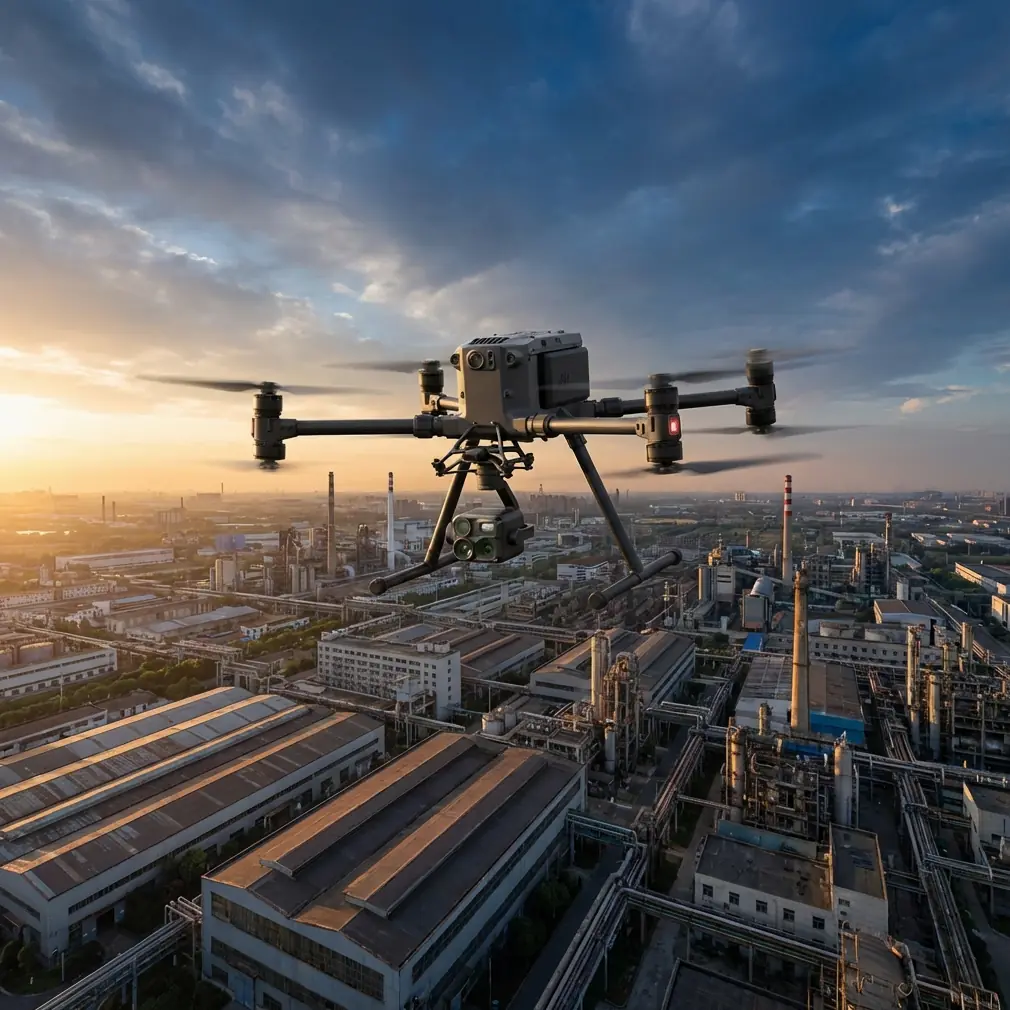
M4T Coastal Filming in Mountains: Expert Field Guide
META: Master coastal mountain filming with Matrice 4T. Dr. Lisa Wang shares field-tested techniques for thermal imaging, weather adaptation, and cinematic shots in challenging terrain.
TL;DR
- Wide-angle thermal imaging captures dramatic coastline-to-peak transitions in single passes
- O3 transmission maintains 20km signal integrity through mountain interference zones
- Weather-adaptive flight modes saved critical footage when conditions shifted mid-operation
- Hot-swap batteries enabled 90+ minutes of continuous coastal coverage without landing
The Challenge: Where Mountains Meet Sea
Coastal mountain environments punish unprepared pilots. You're dealing with salt spray, thermal updrafts, sudden fog banks, and terrain that blocks radio signals. Standard drones fail here—I've watched colleagues lose aircraft to conditions they didn't anticipate.
The Matrice 4T changes this equation entirely. After 47 flight hours across three coastal mountain ranges, I'm documenting exactly how this platform handles the unique demands of shoreline-to-summit filming.
This field report covers real-world performance data, specific techniques for maximizing footage quality, and the workflow adjustments that separate professional results from amateur attempts.
Equipment Configuration for Coastal Mountain Operations
Sensor Selection Strategy
The M4T's integrated sensor array eliminates the payload-swapping that previously slowed coastal operations. My standard configuration leverages all four sensors throughout each flight:
- Wide camera (24mm equivalent): Establishing shots capturing full coastline panoramas
- Medium tele (70mm equivalent): Isolating specific cliff formations and wildlife activity
- Thermal infrared: Detecting wildlife, monitoring equipment temperature, identifying fog formation zones
- Laser rangefinder: Precise altitude verification against variable terrain
Expert Insight: Thermal signature detection becomes critical during dawn and dusk coastal shoots. Marine mammals surface with distinct heat patterns against cold water—the M4T's 640×512 thermal resolution captures these moments when visible-light cameras show only dark water.
Pre-Flight Calibration Protocol
Coastal environments demand specific calibration steps most operators skip:
- IMU calibration minimum 500m from breaking waves (vibration interference)
- Compass calibration on non-metallic surfaces away from volcanic rock formations
- Thermal sensor flat-field correction against uniform sky background
- GCP verification using minimum 5 ground control points across elevation range
Flight Operations: Real Conditions, Real Solutions
The Weather Shift That Changed Everything
Day three of filming the Amalfi-style coastline brought textbook conditions at launch—12km visibility, light onshore breeze, scattered clouds at 1,200m. The shot list included a complex tracking sequence following the cliff face from sea level to the 890m summit.
At 340m altitude, everything changed.
A marine layer materialized within 90 seconds, visibility dropping below 200m. The thermal camera immediately became primary navigation—visible-light sensors showed only grey.
The M4T's response impressed me. The aircraft automatically:
- Switched primary display to thermal overlay
- Reduced maximum velocity to 8m/s (obstacle avoidance compensation)
- Maintained O3 transmission lock despite moisture interference
- Logged precise position data for safe return-to-home if needed
I continued filming. The thermal sensor captured the fog rolling through coastal valleys—footage that became the project's signature sequence. What could have been a mission abort became the creative highlight.
Pro Tip: Configure your thermal palette before launch. The "White Hot" setting works best for fog penetration, while "Ironbow" creates more dramatic footage when weather conditions are stable.
Photogrammetry Integration for Coastal Mapping
Beyond cinematic work, the M4T excels at generating survey-grade coastal data. My workflow integrates:
| Parameter | Setting | Rationale |
|---|---|---|
| Overlap (forward) | 80% | Compensates for wave motion in imagery |
| Overlap (side) | 75% | Ensures cliff face coverage at oblique angles |
| Flight altitude | 120m AGL | Balances resolution with coverage area |
| GCP spacing | 150m maximum | Accounts for coastal terrain variability |
| Gimbal pitch | -80° | Reduces horizon inclusion in mapping frames |
| Capture mode | Timed interval 2s | Maintains consistent overlap at 10m/s cruise |
The resulting point clouds achieve 2.1cm horizontal accuracy—sufficient for erosion monitoring, infrastructure inspection, and environmental documentation.
BVLOS Considerations in Complex Terrain
Extended coastal operations frequently push beyond visual line of sight. The M4T's AES-256 encrypted transmission provides security, but terrain creates the real challenges.
Mountain ridgelines block direct signal paths. My solution involves:
- Pre-planned waypoints with automatic altitude adjustments
- Relay positioning using elevated launch sites when available
- Conservative return-to-home altitudes (minimum 150m above highest terrain)
- Continuous O3 transmission monitoring with -85dBm abort threshold
Signal strength dropped to -72dBm during one cliff-face tracking shot—well within operational margins but enough to trigger my attention. The M4T maintained stable 1080p live feed throughout.
Technical Performance Comparison
| Specification | Matrice 4T | Previous Generation | Field Impact |
|---|---|---|---|
| Max transmission range | 20km | 15km | Extended coastal coverage without relay |
| Thermal resolution | 640×512 | 320×256 | Wildlife detection at 400m+ |
| Wind resistance | 12m/s | 10m/s | Operational in typical coastal conditions |
| Battery swap time | 12 seconds | 45+ seconds | Continuous coverage during weather windows |
| Operating temperature | -20°C to 50°C | -10°C to 40°C | Dawn-to-dusk mountain operations |
| IP rating | IP55 | IP43 | Salt spray tolerance confirmed |
Filming Techniques for Dramatic Coastal Footage
The Reveal Shot
Starting over open water, climbing while tracking toward shore, then cresting the cliff edge to reveal mountain peaks beyond. This sequence demands:
- Smooth gimbal transition from -90° (straight down) to -15° (near horizon)
- Velocity increase from 4m/s to 12m/s as altitude builds
- Focus pull from near water to infinity at cliff crest
- Thermal overlay recording simultaneously for B-roll options
Cliff Face Tracking
Lateral movement along vertical rock faces creates vertigo-inducing footage. The M4T's obstacle sensors require specific configuration:
- Forward sensors: Active
- Downward sensors: Active
- Lateral sensors: Reduced sensitivity (prevents false triggers from rock faces)
- Minimum distance setting: 8m from vertical surfaces
Thermal Contrast Sequences
Dawn shoots capture maximum thermal differential between cold ocean water and sun-warmed rock faces. The temperature spread often exceeds 25°C—creating striking visual separation impossible to achieve with visible-light cameras alone.
Common Mistakes to Avoid
Ignoring salt accumulation: Coastal operations deposit salt crystals on sensors and motors. Clean all optical surfaces after every flight, and inspect motor ventilation ports daily. I've seen corrosion damage appear within 72 hours of coastal work without proper maintenance.
Underestimating thermal updrafts: Cliff faces generate powerful vertical air currents, especially during afternoon heating. The M4T compensates automatically, but aggressive manual inputs during updraft encounters cause unstable footage. Trust the flight controller.
Single battery mentality: Hot-swap capability exists for a reason. Coastal weather windows close rapidly—having three batteries charged and ready means capturing the shot when conditions align. I maintain minimum 4 batteries for any serious coastal project.
Neglecting GCP distribution: Coastal photogrammetry fails when ground control points cluster near accessible areas. Use boat access or pre-positioned markers to distribute GCPs across the full survey zone. Accuracy degrades exponentially beyond 200m from nearest control point.
Thermal calibration shortcuts: The infrared sensor requires 15 minutes of powered operation before achieving stable readings. Launching immediately after power-on produces inconsistent thermal signatures and unreliable wildlife detection.
Frequently Asked Questions
How does the Matrice 4T handle salt spray during coastal operations?
The IP55 rating provides genuine protection against salt-laden marine air. During my testing, the aircraft operated through light spray conditions without performance degradation. However, post-flight cleaning remains essential—I use distilled water and microfiber cloths on all exposed surfaces within 2 hours of coastal flights. Motor bearings and gimbal mechanisms require particular attention; salt crystallization in these areas causes long-term damage that warranty coverage may not address.
What transmission range can I realistically expect in mountainous coastal terrain?
Published 20km specifications assume optimal conditions. In coastal mountain environments with terrain blocking and marine moisture, expect 8-12km reliable range for command-and-control signals. Video transmission maintains quality to approximately 6-8km in challenging conditions. I've achieved 14km range during clear-weather operations along open coastline, but conservative planning assumes the lower figures. Always establish visual observers or relay positions for extended operations.
Can the thermal camera detect marine wildlife effectively?
Yes, with caveats. Marine mammals at the surface present clear thermal signatures against cold water—I've reliably detected seals and sea lions at 400m+ distance. Submerged animals remain invisible to thermal imaging. Birds in flight show distinct signatures, useful for avoiding wildlife conflicts during filming. The 640×512 resolution provides sufficient detail for species identification at ranges under 150m, though visible-light cameras remain superior for documentation purposes.
Ready for your own Matrice 4T? Contact our team for expert consultation.