
How to Film Remote Coastlines with the Matrice 4T Without Ge
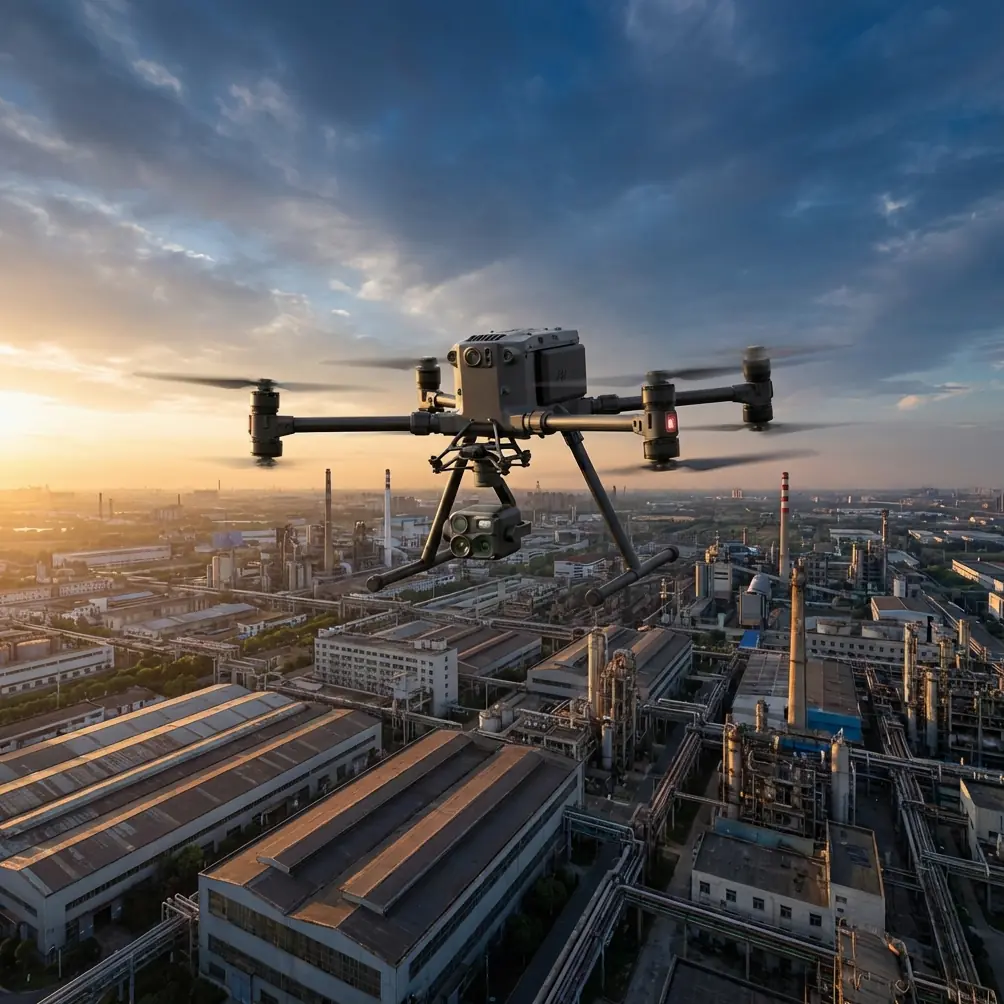
How to Film Remote Coastlines with the Matrice 4T Without Getting Flat, Washed-Out Results
META: A field-tested Matrice 4T tutorial for filming remote coastlines, with practical advice on image quality, thermal signature capture, O3 transmission, hot-swap batteries, and why hidden camera settings matter.
Remote coastline work exposes every weakness in an imaging system.
The light is harsh, reflective, and unstable. Salt haze lowers contrast. Wind shakes the aircraft. Waves create constant visual clutter. If your setup is even slightly off, your footage quickly turns into the same disappointing result many people know from phone photography: gray scenes, muddy detail, inaccurate color, and soft focus. One recent photography discussion made a simple but useful point: what looks like poor shooting skill is often just poor camera configuration. It argued that 90% of people never open the hidden settings in their phone camera, which is why images come out dull, yellowish, or unfocused even on new devices.
That idea applies directly to the Matrice 4T.
A lot of pilots assume a premium airframe will automatically deliver clean, cinematic, usable coastline footage. It will not. The Matrice 4T is strong because it gives professionals control. The difference in output comes from how those controls are used in a real coastal environment, especially when you are operating far from roads, far from charging infrastructure, and often far from any second chance to reshoot.
This tutorial is built around that exact reality: filming coastlines in remote areas with the Matrice 4T, and avoiding the “tourist snapshot” problem in aerial form.
Why remote coastlines are harder than they look
Coastal scenes fool both pilots and sensors.
A beach, cliffline, jetty, mangrove edge, or rocky intertidal zone can appear visually simple from the ground. In the air, the scene becomes much more demanding. The camera has to manage bright sky, dark rock, reflective water, shifting mist, and fast-moving wave textures all in one frame. Autofocus can hunt. Exposure can drift. Compression artifacts become obvious over rippling water. White balance can swing warm or cool depending on cloud cover and reflected light off the sea.
This is why “just fly and record” usually produces forgettable footage.
The phone-camera reference is useful here because it names the exact symptoms: flat images, dark yellow skin tones, and blur from missed focus. Translate that to drone work and you get flat coastlines, weak contrast in geological features, inaccurate water color, and soft edges on structures you may need for inspection or documentation.
The Matrice 4T solves part of that problem with better sensors, thermal capability, enterprise flight tools, and a platform designed for real field operations. But if you treat it like a consumer drone, you leave a lot of performance unused.
Start with the hidden-settings mindset
The most practical lesson from the source material is not about phones. It is about operator behavior.
The claim that most users never enable or adjust the settings that actually improve image quality is highly relevant to the M4T workflow. On coastline missions, this mindset matters more than any single spec sheet line.
Before launch, think in three layers:
- Visual capture settings
- Thermal mission settings
- Aircraft and transmission settings for remote reliability
Pilots often obsess over route planning and forget that poor in-camera decisions can ruin the mission even when the flight itself goes perfectly.
If your footage looks gray and lifeless, the issue may not be the coastline, the weather, or the aircraft. It may simply be that the image parameters were left in a generic default state.
Build your visual profile for sea light, not inland light
The coast is not forgiving. Reflected sunlight off water can overpower rock textures and wash out man-made assets like breakwaters, sea walls, docks, or rooflines near shore. On overcast days, the opposite happens: footage turns weak and low-energy, with everything compressed into a narrow tonal range.
This is where the M4T can separate itself from lesser platforms.
Competing drones in the same broad enterprise category may produce acceptable shoreline footage in calm, balanced light. The Matrice 4T becomes more valuable when conditions turn uneven. Its strength is not just that it captures imagery, but that it allows the pilot to shape capture deliberately for mixed-scene environments where water, land, and sky all compete for exposure.
A practical rule: do not trust fully automatic decisions on complex coastal scenes.
Check:
- exposure compensation behavior
- focus confirmation before each pass
- white balance consistency during changing cloud cover
- sharpening and noise reduction choices if available in your workflow
- whether your shot is intended for video delivery, inspection evidence, or photogrammetry
Those choices have operational consequences. A slightly over-bright sea surface can erase visible edge detail on revetments and tidal structures. A focus miss on a long oblique shot can make a survey-grade visual reference far less useful. A drifting white balance can make sequential clips difficult to compare over time.
The source article’s main point was that people think they lack skill, when in fact they have not “set the parameters correctly.” On a remote coast mission, that is not cosmetic advice. It affects whether the data is usable.
Thermal signature work changes the mission plan
The Matrice 4T is not just a visual coastline tool. Its thermal payload changes what “filming” can mean.
For civilian operations, thermal signature capture along coastlines can support infrastructure checks, search planning in non-sensitive contexts, habitat boundary observations, roof or utility assessments on coastal assets, and shoreline condition work in low-visibility periods. The key is that thermal should not be treated as a bonus view. It requires its own timing and its own flight logic.
A thermal signature over wet rock at midday behaves differently from the same surface near dawn. Water retains and redistributes heat differently than concrete, vegetation, or exposed sand. That means your thermal pass and your RGB pass may need different altitude, angle, and time of day.
Operational significance: if you fly one generic route and expect all sensors to give equally useful results, you usually get mediocre thermal and merely acceptable visible footage.
The Matrice 4T excels here because it can consolidate multiple mission needs into one deployable platform. Competitors often force harder tradeoffs between image versatility and field practicality. The M4T’s advantage in remote coastline work is that you can move from visual scene documentation to thermal interpretation without swapping your whole operational concept.
O3 transmission matters more on the coast than many pilots expect
Remote coastlines create transmission problems that are easy to underestimate.
Open space looks friendly, but cliffs, coves, sea spray, elevation changes, and long stand-off distances can interfere with clean control and video feedback. If you are filming a headland from a safe launch point inland, maintaining confidence in the downlink is critical. This is where O3 transmission deserves real attention.
The significance is not marketing-level “better signal.” It is mission continuity.
When you are trying to frame narrow rock shelves, erosion lines, harbor edges, or isolated coastal buildings, stable transmission helps you make fine composition decisions in real time. It also reduces the temptation to reposition too aggressively just because you do not trust the view. That leads to smoother flights, cleaner footage, and safer battery planning.
For teams operating in sensitive commercial environments, AES-256 adds another layer of value. On infrastructure or environmental documentation jobs, data security is not abstract. Secure transmission protocols matter when imagery includes utility assets, private facilities, or pre-release inspection work. The Matrice 4T is stronger in professional settings because it addresses not just capture quality, but the chain of confidence around that capture.
Hot-swap batteries are not a convenience feature on remote shoreline jobs
They are a workflow feature.
On remote coastline assignments, the biggest drag on productivity is often not flying time itself, but reset time. You hike to launch points. You wait for weather gaps. You manage changing light. You may be trying to complete the same section in both visual and thermal windows. In that context, hot-swap batteries are not just nice to have.
They protect continuity.
If your mission involves repeated passes along a cliff face, sea wall, beach erosion zone, or harbor perimeter, every restart costs time and consistency. Battery swaps that preserve momentum help maintain framing logic, exposure continuity, and route discipline. For coastline storytelling footage, that means more coherent sequences. For photogrammetry, it means cleaner dataset acquisition.
That matters if you are using the M4T for coastal photogrammetry supported by GCPs. Ground control points are only as useful as the consistency of the aerial capture around them. If a long interruption forces a major lighting change or route adjustment, the final model can become harder to standardize and interpret.
In practical terms, hot-swap capability helps the M4T outperform less field-oriented alternatives because it respects how real operators work when locations are far from infrastructure.
A simple coastline capture workflow for the Matrice 4T
Here is a field-ready sequence I recommend.
1. Define the mission output before takeoff
Are you gathering:
- cinematic promotional footage
- inspection-grade shoreline visuals
- thermal signature data
- orthomosaic or photogrammetry inputs
- mixed deliverables
Do not use one default capture profile for all of them.
2. Calibrate your image settings for the actual light
This is the direct lesson from the phone-camera source. If most people never touch the hidden settings, most mediocre drone footage is probably suffering from the same neglect.
Check color response, exposure behavior, and focus before the first real pass. Over water, small mistakes become obvious quickly.
3. Fly the visual pass first if atmospheric clarity is best
Remote coastlines often shift fast with haze and cloud movement. Secure your clearest RGB footage during the best visibility window, then move into thermal or mapping patterns.
4. Use thermal as a separate layer, not an afterthought
Plan thermal routes around the surfaces you need to distinguish. Rock, vegetation, standing water, roofing, and concrete do not behave the same.
5. Protect transmission line of sight
Even with O3 transmission, do not get careless around cliffs or complex topography. Stable links produce better framing decisions and less rushed piloting.
6. Use battery transitions strategically
With hot-swap batteries, rotate power when it supports mission logic, not only when the warning appears. Finish segments cleanly.
7. If mapping is part of the job, anchor the dataset
For coastline photogrammetry, place and verify GCPs where practical and legally appropriate. Coastal environments change visually fast; fixed reference improves confidence in outputs.
8. Keep BVLOS planning conservative and compliant
For remote operations, some teams are thinking about BVLOS frameworks. The M4T may fit into broader advanced workflows, but coastline work should remain within the applicable civil rules, risk controls, and operational approvals for your area. Ambition should not outrun compliance.
What makes the Matrice 4T especially effective here
Its edge is not one glamorous feature. It is the combination.
The Matrice 4T is particularly strong for remote coastline missions because it connects:
- multi-sensor utility
- secure enterprise-grade transmission with AES-256
- reliable field continuity through hot-swap batteries
- long-stand-off confidence via O3 transmission
- compatibility with structured outputs such as thermal review and photogrammetry
That combination matters more than headline specs in isolation.
A competitor might offer good-looking footage in ideal weather. The M4T is more convincing when the job includes distance, repeatability, mixed sensors, changing light, and the need to bring back data rather than just pretty clips.
The real mistake most pilots make
They blame the environment.
The source material framed a common photography problem in a blunt way: the issue is often not that you are bad at shooting, but that you never adjusted the settings. That is exactly the right lesson for M4T coastline work.
If your footage looks washed out, if your shoreline textures lack separation, if your thermal pass feels random, or if your mission output lacks consistency, do not start by assuming the aircraft has limits. Start by checking whether you operated it intentionally.
Remote coastlines reward disciplined setup more than casual talent.
If you are refining a Matrice 4T workflow for shoreline filming, thermal interpretation, or mapping, you can also message our field team directly on WhatsApp for practical deployment advice.
The Matrice 4T is capable of excellent coastal results. But like any serious imaging platform, it performs best in the hands of someone who understands that “hidden settings” are not hidden magic. They are simply the difference between default output and professional output.
Ready for your own Matrice 4T? Contact our team for expert consultation.