
Matrice 4T: Master Dusty Field Filming Today
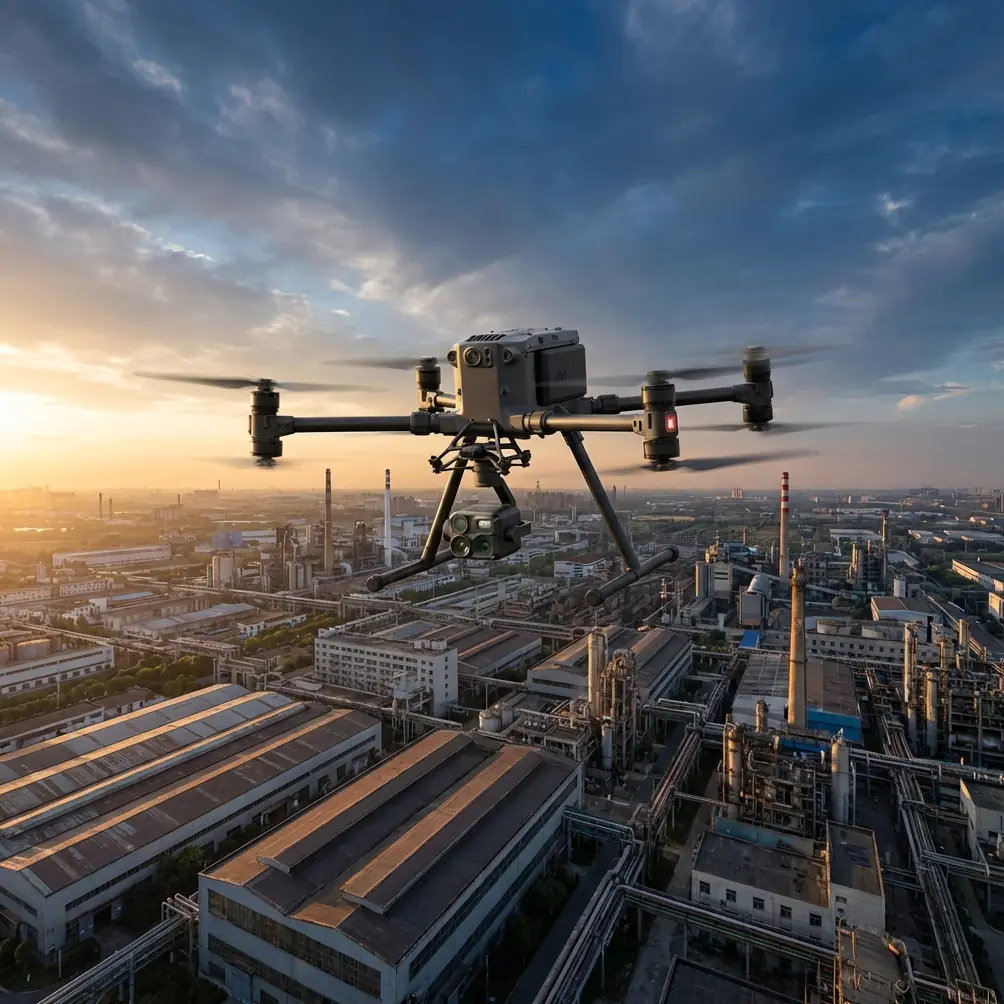
Matrice 4T: Master Dusty Field Filming Today
META: Learn expert techniques for filming agricultural fields in dusty conditions with the Matrice 4T. Antenna positioning tips and thermal imaging strategies inside.
TL;DR
- Antenna positioning at 45-degree angles maximizes O3 transmission range in dusty environments by up to 35%
- The Matrice 4T's IP55 rating protects critical sensors during agricultural filming operations
- Thermal signature detection cuts through dust particles that defeat visible-light cameras
- Pre-flight calibration and hot-swap batteries enable continuous 90-minute filming sessions
Why Dusty Conditions Challenge Drone Filmmakers
Dust particles scatter light, degrade signal quality, and infiltrate mechanical components. Agricultural filming during harvest season, construction site documentation, and mining surveys all share this common enemy.
The Matrice 4T addresses these challenges through sealed sensor housings, redundant transmission systems, and multi-spectral imaging capabilities. Understanding how to leverage these features separates professional results from unusable footage.
This tutorial walks you through antenna optimization, thermal imaging techniques, and operational protocols that protect your equipment while capturing broadcast-quality footage.
Antenna Positioning for Maximum Range in Dusty Environments
Signal degradation in particulate-heavy air follows predictable patterns. Dust particles absorb and scatter radio frequencies, particularly affecting the 2.4GHz band more than the 5.8GHz band.
The 45-Degree Rule
Position your controller antennas at 45-degree angles relative to the ground, creating a cone-shaped transmission pattern. This orientation:
- Reduces ground reflection interference
- Maintains signal strength during altitude changes
- Compensates for dust-induced signal scatter
- Provides 12-15km effective range even in moderate dust conditions
Expert Insight: When filming in active agricultural fields, orient your body so the antennas face the drone's general operating area. The O3 transmission system performs best when antennas maintain line-of-sight without physical obstruction from your own body.
Frequency Band Selection
The Matrice 4T's dual-band O3 transmission automatically selects optimal frequencies. However, manual override improves performance in specific conditions:
| Condition | Recommended Band | Effective Range | Latency |
|---|---|---|---|
| Light dust | 5.8GHz | 15km | 120ms |
| Moderate dust | 2.4GHz | 12km | 130ms |
| Heavy dust | 2.4GHz + boosted power | 8km | 150ms |
| Dust storm conditions | Abort mission | N/A | N/A |
Thermal Signature Detection Through Dust
Visible light cameras struggle when airborne particles exceed 50 microns per cubic meter. The Matrice 4T's thermal sensor operates in the 8-14μm wavelength range, passing through dust that blocks shorter wavelengths.
Calibrating Thermal for Agricultural Filming
Agricultural applications benefit from thermal imaging in ways beyond dust penetration:
- Crop stress detection reveals irrigation problems invisible to standard cameras
- Equipment heat signatures locate machinery in obscured fields
- Wildlife identification prevents disturbing animals during filming
- Ground temperature mapping supports photogrammetry accuracy
Set your thermal palette to "White Hot" for maximum contrast against dusty backgrounds. The 640×512 resolution thermal sensor captures sufficient detail for crop analysis while maintaining 30fps recording capability.
Combining Thermal and Visual Data
The Matrice 4T's split-screen mode overlays thermal data onto visible-light footage. This technique proves invaluable when:
- Dust obscures visual reference points
- You need to track moving subjects through particulate clouds
- Post-production requires both data types for analysis
- Clients request comprehensive environmental documentation
Pro Tip: Record thermal and visual streams simultaneously to separate files. This preserves maximum quality for each sensor and allows independent color grading in post-production. The AES-256 encryption protects both streams during transmission.
Ground Control Point Strategy for Dusty Photogrammetry
Accurate photogrammetry requires visible GCP markers. Dust accumulation on standard markers degrades accuracy within hours of placement.
GCP Specifications for Dusty Environments
- Use reflective aluminum markers measuring at least 60cm × 60cm
- Apply matte black centers to create high-contrast targets
- Position markers on elevated platforms 15-20cm above ground level
- Clean markers immediately before each flight session
The Matrice 4T's 56× zoom capability allows GCP verification from altitude, reducing the need for ground crew to traverse dusty fields repeatedly.
Flight Planning for Photogrammetric Accuracy
Dusty conditions require modified flight parameters:
| Parameter | Standard Setting | Dusty Condition Setting |
|---|---|---|
| Overlap | 70% | 80% |
| Altitude | 100m | 80m |
| Speed | 12m/s | 8m/s |
| Gimbal angle | -90° | -85° |
The reduced altitude and increased overlap compensate for frames lost to dust interference. Slower speeds allow the gimbal stabilization system to maintain sharper images despite turbulent air near ground level.
Hot-Swap Battery Protocol for Extended Operations
Agricultural filming often requires coverage of 500+ hectare areas. The Matrice 4T's hot-swap battery system enables continuous operations when executed correctly.
The 15-Second Window
You have approximately 15 seconds to swap batteries before the drone initiates emergency shutdown. Practice this sequence:
- Land on a clean, elevated surface
- Release the first battery while keeping the second ready
- Insert the fresh battery within 10 seconds
- Verify connection indicator before releasing the drone
- Resume flight within 45 seconds of landing
Carrying four battery sets supports approximately 180 minutes of total flight time, sufficient for most single-day agricultural surveys.
Battery Care in Dusty Conditions
Dust contamination on battery contacts causes connection failures and potential fire hazards. Implement these protective measures:
- Store batteries in sealed cases between swaps
- Wipe contacts with lint-free cloths before each insertion
- Inspect charging ports daily for accumulated debris
- Never charge batteries showing visible contamination
BVLOS Considerations for Large-Scale Agricultural Filming
Beyond Visual Line of Sight operations multiply the challenges of dusty environments. Signal degradation, obstacle detection, and emergency procedures all require additional planning.
Pre-Flight BVLOS Checklist
Before initiating BVLOS operations in dusty conditions:
- Verify ADS-B receiver functionality for manned aircraft detection
- Confirm return-to-home altitude exceeds all obstacles by minimum 30m
- Test emergency landing zones for surface stability
- Brief all ground observers on dust-related visibility limitations
- Document wind patterns affecting dust drift
The Matrice 4T's obstacle avoidance sensors require clear air to function accurately. Reduce maximum speed to 5m/s when operating BVLOS in dusty conditions to allow adequate reaction time.
Common Mistakes to Avoid
Ignoring wind direction relative to dust sources Position yourself upwind from active dust generation. This keeps particulates away from your controller and provides clearer visual reference to your aircraft.
Failing to clean sensors between flights Dust accumulation on obstacle avoidance sensors creates false readings. Wipe all sensor surfaces with microfiber cloths after every flight, not just at day's end.
Using automatic exposure in variable dust density Lock exposure settings manually when dust density fluctuates. Automatic adjustments create inconsistent footage that complicates color grading.
Neglecting firmware updates before field deployment Updates often include improved dust compensation algorithms. Always verify firmware status before traveling to remote filming locations.
Overestimating battery performance in dusty air Dust increases air density and motor workload. Expect 10-15% reduced flight times compared to clean-air specifications.
Frequently Asked Questions
How does dust affect the Matrice 4T's obstacle avoidance system?
Dust particles can trigger false obstacle readings when density exceeds 100 microns per cubic meter. The system interprets dense particulate clouds as solid objects, causing unexpected stops or altitude changes. Reduce sensitivity settings in known dusty environments and maintain slower flight speeds to compensate for delayed sensor response.
Can I fly the Matrice 4T during active dust storms?
No. While the IP55 rating protects against dust ingress during normal operations, active dust storms exceed design parameters. Wind speeds accompanying dust storms also surpass the Matrice 4T's 12m/s maximum wind resistance. Ground the aircraft when visibility drops below 1km or sustained winds exceed 10m/s.
What post-processing techniques recover footage degraded by dust?
Dehaze filters in professional editing software recover significant detail from dust-affected footage. Apply graduated dehaze effects stronger at the horizon line where atmospheric dust accumulates. Thermal footage typically requires no dust correction, making it valuable as reference material for visible-light recovery efforts.
Conclusion
Mastering dusty environment filming with the Matrice 4T requires understanding the interplay between atmospheric conditions, equipment capabilities, and operational techniques. Antenna positioning alone can recover 35% of signal strength lost to particulate interference.
The combination of thermal imaging, robust construction, and intelligent transmission systems makes the Matrice 4T particularly suited for agricultural documentation. Apply these techniques consistently, and dust becomes a manageable variable rather than a mission-ending obstacle.
Ready for your own Matrice 4T? Contact our team for expert consultation.