
Filming Coastal Highways With the Matrice 4T
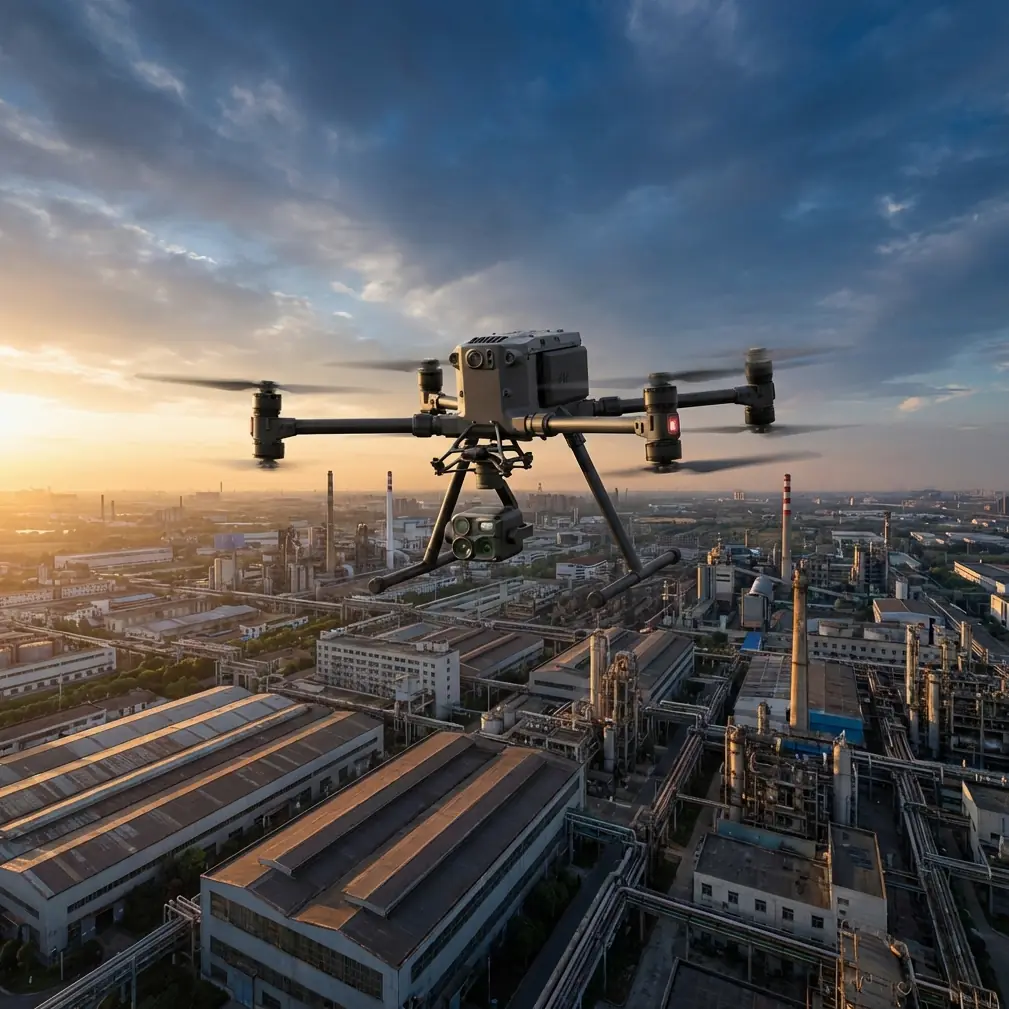
Filming Coastal Highways With the Matrice 4T: What Actually Matters in the Field
META: A field-driven case study on using the DJI Matrice 4T for coastal highway filming, covering thermal workflow, antenna positioning, transmission reliability, safety discipline, and mission setup details that affect real results.
Coastal highway work looks simple on a storyboard and messy in real life.
You have salt haze, reflective pavement, fast-moving vehicles, wind rolling off the water, and long linear corridors that tempt crews into bad habits. A Matrice 4T can handle this kind of assignment well, but only if the operation is built around discipline rather than specs on a brochure.
I recently mapped out a filming workflow for a coastal highway scenario using the Matrice 4T as the primary aircraft, with the brief centered on capturing traffic flow, roadway condition, drainage behavior near embankments, and selected thermal checks at dawn. Not a generic drone shoot. A real corridor job where coverage, consistency, and link stability matter more than dramatic reveal shots.
What follows is the method I’d use, and why.
The mission profile changes everything
Highway filming in a coastal environment is a corridor operation, not a point inspection.
That sounds obvious, but it affects nearly every setup choice. A corridor mission forces the aircraft to spend more time at oblique angles to the pilot position, often with changing line-of-sight geometry as the road curves, rises, and dips. In open inland work, transmission is usually forgiving. Along the coast, reflections off water, roadside structures, and moving traffic can create a more fragile RF environment.
This is where O3 transmission performance is only as good as the way the crew supports it. I tell pilots the same thing every time: your antenna positioning is not a small detail. It is part of the flight plan.
For maximum range and cleaner signal behavior, don’t aim the flat face of the controller antennas directly at the drone like a flashlight. Keep the antenna planes oriented so the broadside is presented to the aircraft’s path, and adjust your body position as the aircraft moves down the highway corridor. If you stand still while the drone slides off-axis for half a kilometer along a curve, you are quietly degrading your own link. Coastal jobs punish that mistake sooner than inland jobs do.
If the road alignment bends around seawalls or elevated barriers, I prefer to reposition the pilot station before the aircraft reaches the weak geometry rather than trying to “push through” with hope. That is especially true if you are collecting footage that has to be smooth enough for editorial use. Signal instability may not cause a lost link, but it can still produce hesitation, framing disruptions, or unnecessary pilot inputs.
Why the 4T is useful here beyond basic video capture
The Matrice 4T earns its place on coastal highway assignments when the client needs more than standard visual footage.
Visible imaging handles the obvious deliverables: establishing shots, traffic movement, bridge approaches, shoulder condition, signage context, and cut sequences for reports or public presentations. The thermal side adds another layer when scheduled correctly. Dawn is usually the sweet spot. At that hour, pavement, concrete barriers, drainage outlets, and adjacent ground surfaces often separate more cleanly in thermal contrast before solar loading flattens the scene.
That matters if the client wants to identify moisture retention near culverts, unusual heat signatures around roadside electrical cabinets, or differential temperature behavior on repaired pavement sections. Thermal signature review is not magic, and it is not a substitute for engineering assessment, but it can quickly flag areas worth a closer look.
For corridor documentation, that blend of RGB and thermal can save a second site visit.
A coastal highway case workflow
Here’s the operating framework I’d use for a typical assignment.
1. Split the job into cinematic segments and data segments
One of the worst habits in commercial drone work is trying to capture beautiful footage and structured asset data in the same pass. The aircraft can do both. The crew usually cannot, at least not at a high level, without compromising one of them.
For the Matrice 4T, I prefer two distinct flight blocks:
- Filming block for controlled movement, oblique framing, and traffic rhythm
- Documentation block for repeatable corridor coverage, thermal checks, and photogrammetry-ready overlap where needed
If the client also wants measurable roadway context, photogrammetry can be folded in for selected sections such as interchanges, retaining walls, drainage channels, or erosion-prone shoulders. That is where GCP planning becomes relevant. On a long highway, you do not need to overbuild control everywhere. You place GCPs at sections where measurement confidence matters, especially where coastal terrain or structures may create weak visual geometry.
2. Time the thermal work before the visual hero shots
Most crews instinctively chase the prettiest light first. That is fine for pure filmmaking. It is the wrong priority if thermal is part of the deliverable.
I’d launch the thermal block at first workable light, complete the corridor screening passes, and only then move into the visual sequences as the sun lifts. Once direct heating starts changing road surface temperatures, thermal interpretation gets noisier. For a coastal road bordered by rock revetments, wet shoulders, and occasional standing water, those changes come quickly.
3. Use battery strategy as an operational tool, not just endurance insurance
Hot-swap batteries are a genuine advantage on corridor jobs because they let the crew keep pace without fully powering down between structured flight segments. That helps in two ways.
First, you preserve momentum when weather windows are narrow. Coastal wind can build fast. If the morning gives you a clean hour, you don’t want that hour consumed by avoidable resets.
Second, it keeps the pilot and visual observer mentally locked into the mission flow. Long pauses create sloppy restarts. On a highway corridor, continuity matters. Every relaunch should pick up exactly where the previous pass ended, with the same altitude logic, camera intent, and safety picture.
A note on transmission security and client sensitivity
Some highway projects involve infrastructure owners, concession operators, or engineering consultants who are careful about where footage goes and how it moves. If the mission includes sensitive civil infrastructure data, AES-256 transmission security becomes more than a spec sheet bullet. It supports a cleaner chain of custody for imagery and inspection records.
That does not remove the need for sound file handling, local device hygiene, or proper permissions. But in sectors where road infrastructure imagery is commercially sensitive, built-in transmission security is part of a professional workflow rather than an afterthought.
What the old aircraft design references unexpectedly remind us
The reference material behind this brief came from civil aircraft design handbooks, not drone manuals. At first glance, they look unrelated to a Matrice 4T highway shoot. They are not.
One reference details flammability standards for civil aircraft interior materials, including test thresholds such as smoke density below 200 under a specified condition and afterflame times under 15 seconds for certain insulation and transparent materials. Another describes cockpit seat adjustment logic around a 918 mm seated height assumption, with eye position alignment and ergonomic control reach engineered step by step.
Why mention those in a Matrice 4T article?
Because they capture a mindset that separates amateur drone use from professional aviation thinking: measurable human factors and measurable safety criteria.
The material flammability data is a reminder that aviation systems are never only about performance. They are about controlled risk. In drone operations, the equivalent isn’t cabin panel testing; it’s whether your field kit, battery staging area, charging workflow, and transport discipline are treated with the same seriousness. Coastal highway work often means operating from lay-bys, maintenance pullouts, or temporary staging spots where salt, heat, and public traffic all add friction. A crew that respects hard limits and documented procedures tends to make fewer “small” mistakes with batteries, cables, landing zones, and turnaround timing.
The cockpit ergonomics reference is just as relevant. The handbook’s use of a 918 mm average seated body dimension, plus a tightly defined eye-line relationship, reflects an old truth: if the operator’s position is wrong, the machine’s capability is partly wasted. For Matrice 4T work, that translates into controller posture, screen readability, sunshade placement, neck angle, and hand comfort over repeated corridor passes. If the pilot is twisted toward glare, craning to maintain line of sight, or fighting an awkward controller stance, flight quality deteriorates. Smooth tracking suffers first. Judgment often suffers next.
Professional output starts with operator ergonomics more often than people admit.
The overlooked factor: coastal line management
On a highway next to the sea, airspace can feel open while the operation is actually constrained.
You may have lamp posts, sign gantries, bridge cables, embankment fencing, parked maintenance vehicles, and sudden bird activity near water. The 4T’s intelligence helps, but coastal corridors still reward conservative lateral planning. I avoid flying directly parallel to the road edge for long stretches if there is any chance of forced correction toward traffic infrastructure. A slightly offset track usually gives the pilot cleaner escape options and more stable composition.
Wind also behaves differently than many new crews expect. Along elevated coastal sections, gusts can strike from the water side and then roll upward over the road deck. If you are filming vehicles with tight side profiles, these crossflows show up as micro-corrections in the footage. The fix is not brute-force stick input. The fix is route design: fly segments in the direction that gives the aircraft the easiest stabilization profile for the shot you need.
When BVLOS enters the conversation
On long highway projects, somebody inevitably asks whether BVLOS would make the operation more efficient.
From a pure productivity perspective, yes, extended corridor capture benefits from BVLOS frameworks. But only where the regulatory structure, crew design, detect-and-avoid provisions, and risk assessment support it. That discussion should be handled as an operational planning matter, not an improvisation in the field.
For many coastal highway assignments today, the better answer is often a series of well-chosen visual line-of-sight stations with deliberate leapfrogging. That approach is slower than an unrestricted BVLOS concept but faster than dealing with preventable interruptions, weak signal geometry, or location-based uncertainties.
Practical camera logic for this specific job
If I were directing the footage package, I’d build it around four shot classes:
- High establishing passes showing the road’s relationship to shoreline, embankments, and adjacent structures
- Medium oblique tracking shots to reveal traffic behavior and roadway geometry
- Low-contrast dawn thermal sweeps for drainage paths, retained moisture, and selected asset checks
- Repeatable documentation passes with enough consistency to support future comparison
That last category is where many operators underdeliver. Clients often discover six months later that they want change detection, maintenance planning, or a before-and-after comparison. If your original flight lines are chaotic, the footage becomes hard to reuse. A Matrice 4T mission should be flown with tomorrow’s questions in mind, not just today’s brief.
Field communications and crew rhythm
Highway shoots are noisy. Wind noise, traffic noise, surf noise. If the crew is struggling to coordinate repositioning, battery swaps, and vehicle movement between stations, the mission slows down and safety margins shrink.
I like simple verbal rules:
- call out aircraft direction changes early
- confirm next pilot station before landing
- verify antenna orientation before relaunch
- restate the abort path before every long corridor leg
None of that is glamorous. All of it improves output.
If you’re planning a similar corridor setup and want a second set of eyes on route structure or transmission positioning, you can message James directly here.
What separates strong Matrice 4T highway work from average work
Not the headline specs.
The difference is whether the operator understands that a coastal highway mission is a system problem. RF geometry, thermal timing, human ergonomics, battery continuity, and repeatable capture discipline all interact. Get those right and the Matrice 4T feels precise, calm, and unusually versatile. Get them wrong and even a capable aircraft ends up fighting the workflow.
The best crews think a little like aircraft designers. They care about where the operator sits, how the control link is oriented, how safety margins are defined, and which numbers actually govern the mission. That is why those old handbook references matter. One points to hard safety thresholds like smoke density under 200 and brief afterflame windows. The other anchors operator setup around a 918 mm human reference and clear visual alignment logic. Different context, same lesson: serious aviation work begins with standards, not improvisation.
For coastal highway filming, the Matrice 4T is at its best when used that way.
Ready for your own Matrice 4T? Contact our team for expert consultation.