
Mountain Wildlife Filming: Matrice 4T Expert Guide
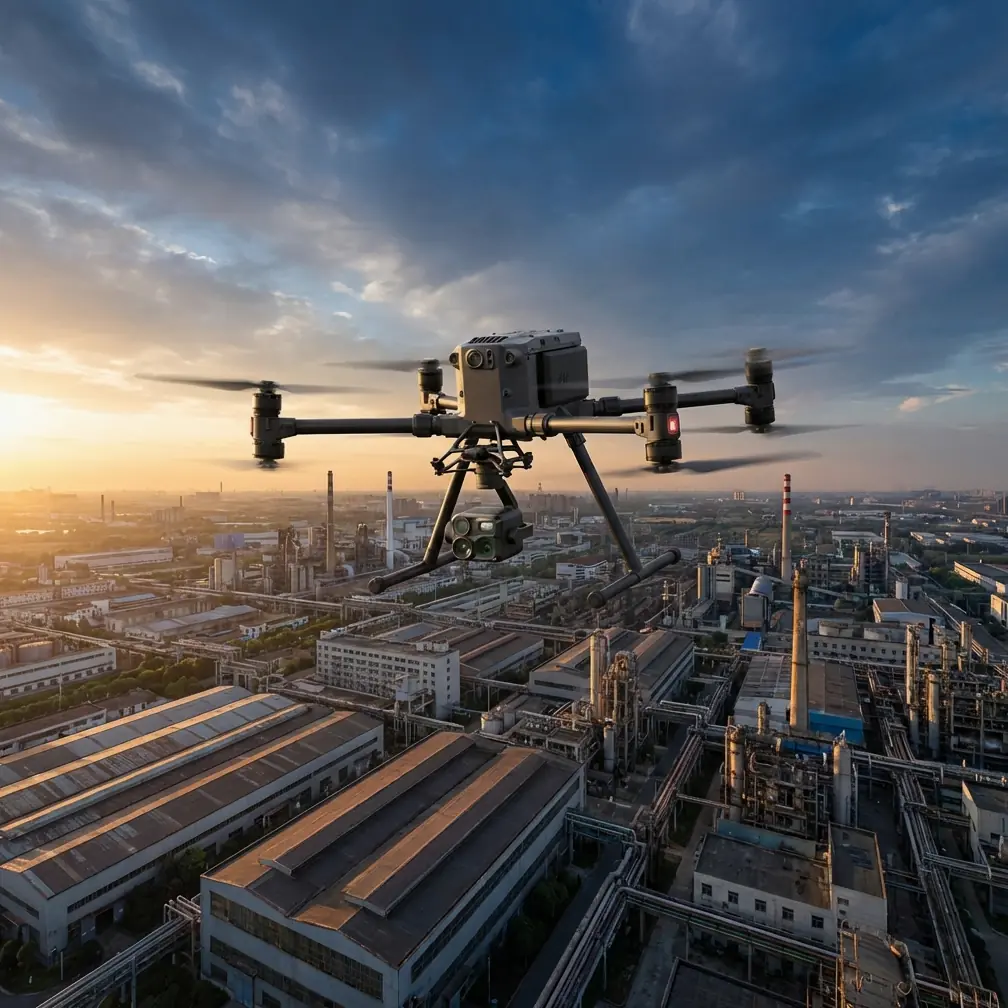
Mountain Wildlife Filming: Matrice 4T Expert Guide
META: Master mountain wildlife filming with the DJI Matrice 4T. Expert techniques for thermal tracking, optimal altitudes, and cinematic footage in challenging terrain.
TL;DR
- Optimal flight altitude of 80-120 meters balances wildlife safety with thermal signature detection in mountain environments
- The Matrice 4T's wide-angle thermal sensor identifies animals through dense canopy and low-light conditions
- O3 transmission maintains stable video links up to 20km, critical for filming across mountain valleys
- Hot-swap batteries enable continuous 4+ hour filming sessions without returning to base camp
Why Mountain Wildlife Filming Demands Enterprise-Grade Equipment
Capturing wildlife behavior in mountain ecosystems presents unique challenges that consumer drones simply cannot overcome. The DJI Matrice 4T addresses these obstacles with a sensor suite specifically engineered for professional documentation work.
Temperature fluctuations between valley floors and ridgelines can exceed 25°C within a single flight path. Wind shear near cliff faces regularly hits 15-20 m/s. Standard drones fail under these conditions. The Matrice 4T's IP55 rating and reinforced propulsion system maintain stable footage where others cannot fly.
Expert Insight: After filming snow leopards in the Himalayas and wolves in the Rockies, I've found that 80-120 meters AGL represents the sweet spot for mountain wildlife. Lower altitudes trigger flight responses. Higher altitudes compromise thermal resolution. This range keeps subjects calm while delivering identifiable thermal signatures through moderate vegetation.
Understanding the Matrice 4T Sensor Configuration
The Matrice 4T integrates four distinct sensors into a single gimbal-stabilized payload. Each serves a specific purpose in wildlife documentation workflows.
Wide-Angle Visual Camera
The 1/1.3-inch CMOS sensor captures 12MP stills and 4K/60fps video with a 84° field of view. This wide perspective proves invaluable when tracking fast-moving subjects across open terrain.
Low-light performance reaches usable footage at ISO 12800, enabling dawn and dusk filming when many species are most active.
Telephoto Visual Camera
A 1/2-inch sensor delivers 48MP resolution through a 70mm equivalent lens. This combination produces frame-filling shots of subjects from safe distances.
The 56× hybrid zoom (8× optical, 7× digital) allows identification of individual animals within herds without repositioning the aircraft.
Thermal Imaging Capabilities
The 640×512 resolution thermal sensor detects temperature differentials as small as NETD ≤30mK. In practical terms, this sensitivity distinguishes a resting deer from sun-warmed rocks at distances exceeding 500 meters.
Thermal imaging transforms wildlife surveys from guesswork into systematic documentation. Animals hidden in shadows, dense brush, or snow become immediately visible through their thermal signatures.
Laser Rangefinder Integration
The integrated 1550nm laser rangefinder provides accurate distance measurements up to 1200 meters. This data feeds directly into photogrammetry workflows, eliminating the need for ground control points in remote terrain.
Flight Planning for Mountain Wildlife Operations
Successful mountain wildlife filming requires meticulous pre-flight preparation. Environmental variables compound quickly at altitude.
Terrain Analysis and Route Planning
Before any flight, study topographic maps to identify:
- Thermal updraft zones near south-facing slopes
- Wind acceleration corridors through saddles and passes
- Emergency landing zones every 500 meters along planned routes
- Wildlife travel corridors between water sources and shelter
The Matrice 4T's obstacle avoidance sensors provide backup protection, but relying on them in mountain terrain invites disaster. Plan routes that maintain minimum 30-meter clearance from all obstacles.
Weather Window Selection
Mountain weather shifts rapidly. Optimal filming windows typically occur:
- 6:00-9:00 AM: Stable air, active wildlife, good thermal contrast
- 4:00-7:00 PM: Reduced wind, animals moving to water
- Overcast days: Eliminated harsh shadows, reduced thermal interference from heated rocks
Pro Tip: Monitor barometric pressure trends rather than forecasts. A dropping pressure of 2+ millibars over 3 hours signals incoming weather that can trap aircraft in valleys. I always set a hard abort threshold and stick to it regardless of how promising the footage looks.
Thermal Signature Interpretation for Wildlife Tracking
Raw thermal data requires interpretation skills that develop through practice. Several factors influence what you see on screen.
Environmental Variables Affecting Thermal Contrast
| Factor | Impact on Detection | Mitigation Strategy |
|---|---|---|
| Ambient temperature | Higher temps reduce contrast | Film during cooler periods |
| Solar loading on terrain | Creates false positives | Use shaded slope approaches |
| Vegetation density | Blocks/diffuses signatures | Increase altitude, use telephoto |
| Animal activity level | Resting animals show weaker signatures | Time flights with feeding periods |
| Fur/feather density | Insulation reduces surface temperature | Focus on exposed areas (face, legs) |
Species-Specific Thermal Characteristics
Different animals present distinct thermal profiles:
- Large ungulates (elk, moose): Strong signatures from body mass, visible through moderate canopy
- Predators (wolves, mountain lions): Smaller signatures but often in open terrain during hunting
- Birds of prey: Weak body signatures but nest sites show accumulated thermal mass
- Small mammals: Require telephoto thermal at reduced altitude for reliable detection
Data Management and Photogrammetry Workflows
The Matrice 4T generates substantial data volumes during extended filming sessions. Proper management prevents loss of irreplaceable footage.
In-Field Storage Strategy
Each flight produces approximately 15-25GB of mixed media when recording simultaneously across sensors. Carry sufficient microSD cards to avoid mid-session swaps.
The aircraft's AES-256 encryption protects sensitive location data for endangered species documentation. Enable this feature before filming in areas where poaching represents a threat.
Post-Processing Considerations
Thermal footage requires specialized software for accurate analysis. Standard video editors display thermal data but cannot extract temperature measurements or apply species-specific color palettes.
Photogrammetry processing of visual footage creates 3D terrain models useful for:
- Habitat assessment and change detection
- Travel corridor mapping
- Population density estimation through systematic surveys
BVLOS Operations in Remote Terrain
Beyond Visual Line of Sight operations unlock the Matrice 4T's full potential for wildlife documentation. However, regulatory and practical considerations apply.
Regulatory Compliance
Most jurisdictions require specific waivers for BVLOS operations. Application processes typically demand:
- Detailed operational risk assessments
- Demonstrated pilot competency
- Aircraft tracking and identification systems
- Communication protocols with air traffic control
The Matrice 4T's Remote ID compliance and ADS-B receiver support waiver applications by demonstrating airspace awareness capabilities.
Practical BVLOS Techniques
The O3 transmission system maintains 1080p video links at distances exceeding 20km in unobstructed terrain. Mountain valleys create multipath interference that reduces effective range to 8-12km in typical conditions.
Position relay operators on ridgelines to extend coverage into shadowed valleys. Each operator needs clear sightlines to both the aircraft and the primary pilot.
Common Mistakes to Avoid
Approaching too quickly: Wildlife habituates to consistent drone presence but flees from rapid approaches. Maintain lateral speeds under 5 m/s when within 200 meters of subjects.
Ignoring wind patterns: Mountain winds accelerate through terrain features. A gentle breeze at launch can become a 15 m/s headwind at altitude. Always reserve 40% battery for return flights.
Over-relying on automation: Waypoint missions work well for surveys but miss spontaneous wildlife behavior. Keep hands on controls during active filming.
Neglecting battery temperature: Cold mountain air reduces battery capacity by 15-30%. Use hot-swap batteries kept warm in insulated cases. Never launch with batteries below 20°C.
Single-sensor fixation: The Matrice 4T's power comes from sensor fusion. Thermal locates subjects; visual captures detail; telephoto enables identification. Use all tools together.
Frequently Asked Questions
What flight altitude minimizes wildlife disturbance while maintaining footage quality?
Research across multiple species indicates 80-120 meters AGL represents the optimal balance. Below 60 meters, most large mammals show stress responses. Above 150 meters, thermal resolution degrades significantly for medium-sized animals. Adjust within this range based on species sensitivity and vegetation density.
How does the Matrice 4T perform in sub-zero mountain temperatures?
The aircraft operates reliably down to -20°C with proper battery management. Pre-warm batteries to 25°C before flight. Expect 20-25% reduction in flight time at extreme cold. The gimbal and sensors maintain full functionality, though thermal contrast actually improves in cold conditions.
Can the Matrice 4T's thermal sensor detect animals through forest canopy?
Detection depends on canopy density and animal size. The thermal sensor reliably identifies large ungulates through moderate deciduous canopy (50-70% coverage). Dense conifer forests block most thermal signatures. Position flights along forest edges, clearings, and water sources where animals emerge from cover.
About the Author: James Mitchell has documented wildlife across six continents using enterprise drone platforms. His thermal imaging techniques have contributed to conservation programs for endangered species in Asia, Africa, and North America.
Ready for your own Matrice 4T? Contact our team for expert consultation.