
Matrice 4T in Windy Wildlife Conditions: A Practical Field
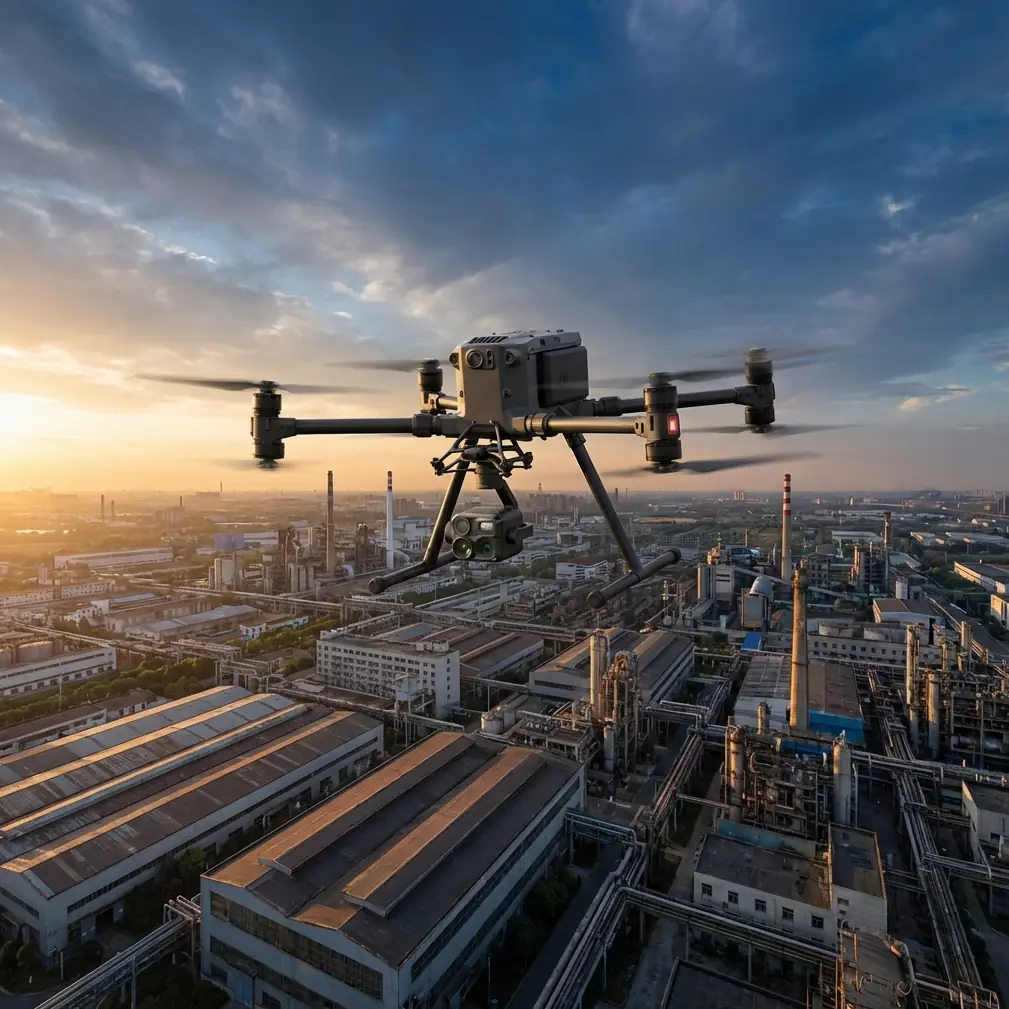
Matrice 4T in Windy Wildlife Conditions: A Practical Field Tutorial Built Around Diagnostics and Pre-Flight Discipline
META: A field-focused Matrice 4T tutorial for filming wildlife in windy conditions, with expert guidance on pre-flight cleaning, diagnostics, maintenance planning, and stable mission execution.
Wind changes everything in wildlife drone work. It alters how animals react, how stable your footage looks, how hard your propulsion system works, and how much confidence you can place in every sensor before takeoff. With the Matrice 4T, that reality makes one habit more valuable than many pilots realize: disciplined pre-flight diagnostic preparation, starting with cleaning and ending with a verification routine you can repeat under pressure.
I’m writing this from the perspective of field operations, not brochure language. If your goal is to film wildlife in windy conditions, the airframe matters, the camera matters, and your transmission link matters. But the quality of your sortie often comes down to whether you treated the aircraft as a system that must detect, isolate, and communicate faults before those faults become in-flight decisions.
That idea comes straight from classical aircraft design thinking. One engineering reference on reliability and maintainability design makes a sharp point: diagnostic requirements should be derived from mission needs and system performance requirements, then translated into testability requirements that can be tracked through the design process. It also specifically calls for system-level requirements on fault detection rate and fault isolation rate. For a Matrice 4T operator in the field, that isn’t abstract theory. It means your workflow should be built to answer two questions before launch:
- Can the system detect something is wrong?
- Can you identify where the problem actually is?
When you’re filming wildlife in wind, those are not the same thing.
Why wind exposes weak preparation
On a calm day, a lightly contaminated vision sensor, a dusty vent, or residue around a gimbal interface might not reveal itself immediately. In wind, those small issues stack. Stabilization works harder. Power draw rises. Hover corrections become more frequent. Telephoto framing gets less forgiving. Thermal signature interpretation can also become trickier as moving vegetation and changing surface temperatures complicate scene reading.
The Matrice 4T is often chosen because it can support demanding observation work with multiple imaging perspectives and robust transmission. For wildlife crews, that can mean using the thermal view to spot heat-emitting animals at dawn, then shifting to visual imaging for behavior documentation, habitat context, or safe stand-off positioning. In those moments, stable data matters as much as stable flight.
A windy mission is exactly where structured diagnostics pay off.
The pre-flight cleaning step most crews rush past
Here’s the practical step I recommend before every windy wildlife sortie: clean the safety-critical sensing and camera surfaces before you power up and run checks.
Not casually. Methodically.
That means inspecting and cleaning:
- Obstacle sensing windows and related optical surfaces
- Main camera and thermal camera external surfaces
- Gimbal mounting area and visible connectors
- Airframe vents and crevices where dust, pollen, salt, or plant debris collect
- Battery contacts and seating surfaces, if your operating procedures allow safe inspection
Why start with cleaning? Because a diagnostic routine is only as good as the condition of the hardware it is evaluating. A reference on aircraft testability emphasizes that diagnostic planning should include not only built-in test capability, but also manual and automatic testing, technical documentation, personnel skill level, and training. That matters in drone work because many field issues are not electronic failures. They are contamination, seating, obstruction, or wear.
A dirty sensor may pass a basic startup state yet still degrade performance in gusty low-altitude work near brush, reeds, cliffs, or treelines. A smudged thermal window can soften contrast and make a faint thermal signature less obvious when you are trying to distinguish an animal from warmed rock or ground cover. Debris near moving components can translate into vibration or intermittent gimbal behavior that only becomes visible once the aircraft begins constant wind correction.
Cleaning is not cosmetic. It is the first layer of fault prevention.
A better way to think about diagnostics on the Matrice 4T
Most crews think of diagnostics as whatever the app reports after startup. That’s too narrow.
The same engineering source argues for a complete diagnostic capability at each maintenance level, including built-in test, manual and automated testing, technical documents, training plans, and strategies for delayed, preventive, and scheduled maintenance. In field terms, you should divide your Matrice 4T checks into three layers:
1. Immediate built-in checks
These are your startup health indicators, battery status, IMU and compass state, sensor state, storage readiness, and transmission quality. If you are relying on O3-class long-range transmission performance for observation at a safe stand-off distance, you should confirm link integrity on the ground before moving into the actual filming geometry. Wind often pushes crews into positions where terrain, vegetation, and aircraft orientation affect signal behavior more than expected.
2. Manual field checks
This is where professional crews separate themselves. Put hands and eyes on the aircraft. Check propellers for chips or subtle deformation. Confirm arms and landing structures are secure. Verify gimbal freedom and lock removal. Ensure no fine debris or moisture remains after cleaning. Review lens clarity in live view, not just by visual inspection. In wildlife work, this matters because a problem that seems minor at takeoff can ruin a short behavioral event you may never get a second chance to capture.
3. Scheduled maintenance logic
Do not wait for something to fail. The aircraft handbook reference specifically mentions preventive maintenance and planned maintenance as part of the diagnostic framework. For Matrice 4T operations in windy outdoor environments, keep a maintenance log that records:
- Wind conditions
- Flight duration
- Exposure to dust, salt spray, pollen, or fine sand
- Battery cycle behavior
- Gimbal vibration notes
- Sensor cleaning frequency
- Any recurring warning patterns
This allows you to isolate trends, not just faults. That is the operational meaning of fault isolation: not merely detecting that something feels “off,” but identifying whether the issue belongs to propulsion, payload, power, sensing, or environment.
Why fault isolation matters more than fault detection in wildlife filming
A warning alone doesn’t tell you what to trust.
Suppose you are documenting wildlife movement over grassland in gusty conditions. The thermal feed shows intermittent softness. Is the problem wind-induced aircraft motion, a dirty thermal window, automatic gain behavior, heat shimmer from the terrain, or a gimbal stabilization issue? If your process only detects “something isn’t ideal,” you lose time in the field.
The old aircraft design logic is useful here because it distinguishes between detecting a fault and isolating it. For Matrice 4T crews, isolation is what preserves mission value. You need a repeatable sequence:
- Check for contamination
- Confirm gimbal freedom and calibration state
- Compare thermal and visible feeds
- Hover at a safe height and inspect image stability
- Rotate aircraft heading to see whether vibration or wind direction changes the symptom
- Verify transmission quality and recording integrity separately
That sequence turns a vague concern into an operational diagnosis.
Wind, wildlife, and stand-off distance
Wildlife filming should prioritize minimal disturbance. Wind can help or hurt. It may mask some aircraft noise, but it can also force the drone to work harder, drift more aggressively in corrections, or choose less ideal observation angles. The Matrice 4T’s mixed sensor workflow can be especially useful here. Thermal signature detection can help locate subjects without pushing visually close too early, which is often the better ecological choice.
But that only works if your sensor surfaces are clean and your transmission path is stable. If you are operating with encrypted workflows or sensitive location data, AES-256-style secure handling is relevant from a data stewardship standpoint, especially for conservation teams documenting rare species habitats. That is less about marketing and more about responsible operations. Some field teams also coordinate remotely with biologists or spotters, and reliable transmission architecture becomes central to decision-making when visual line of sight positioning is constrained by terrain, vegetation, or safety boundaries.
If your operation needs help setting up a robust field checklist for this kind of work, you can message a Matrice 4T field specialist here: https://wa.me/85255379740.
A field checklist for windy wildlife shoots with the Matrice 4T
This is the workflow I’d teach a new crew member.
Step 1: Assess the site before unpacking
Look at wind behavior on vegetation at different heights, not just what your weather app says. Wildlife sites often have ground-layer shelter and upper-layer turbulence. Identify launch and recovery zones with clean footing and minimal loose debris.
Step 2: Clean before power-on
This is the narrative spark I want to underline because it saves missions. Clean optical and sensing surfaces first. If you power up before removing dust, condensation traces, or pollen smears, you risk validating a compromised system state. In coastal or dry grass environments, this is not optional.
Step 3: Run built-in checks
Use the aircraft’s onboard status tools, but interpret them as one part of a broader diagnostic picture. The aircraft design reference stresses that built-in test capability is only one component of a complete diagnostic solution.
Step 4: Verify image quality at hover
Do not assume clean live view equals clean recorded footage. Hover into the wind, across the wind, and with the wind. Watch for micro-jitter, image lag, or horizon behavior. If thermal work is central to the mission, test thermal signature discrimination on known objects before proceeding to animal observation.
Step 5: Match flight profile to mission need
Avoid long static hovers if wind is continuously pushing the aircraft off axis unless the observation requires it. Use smoother translational movement and wider stand-off framing, then tighten only when conditions support it. For wildlife behavior, consistency often beats dramatic camera proximity.
Step 6: Log what happened
After landing, note more than battery percentage. Record what the aircraft experienced. Over time, this is how you build your own fault isolation database.
What material design references quietly teach drone operators
At first glance, a materials handbook page about non-metal products, cables, and insulation seems distant from Matrice 4T field use. It isn’t. One reference includes material data tied to heat resistance around 150°C and even much higher temperature contexts in insulation-related products, with examples of thicknesses such as 0.3 mm to 3.0 mm in thermal-insulation fabric forms. You are not choosing asbestos-era aircraft materials for a modern drone, of course. But the operational lesson is still valuable: material performance under heat, compression, contamination, and environmental exposure directly affects reliability.
For the Matrice 4T operator, that translates into respect for every “small” non-structural interface:
- cable jackets
- seals
- gimbal dampers
- battery contact areas
- protective covers
- sensor windows
Windy wildlife locations are often hard on these parts because they combine dust, moisture, temperature swings, and repeated handling. Reliability lives in those details long before a failure alert appears on screen.
If you plan for BVLOS-style discipline, even within normal visual operations, your footage gets better
I’m not suggesting you exceed your local regulatory permissions. Stay fully compliant. The point is procedural: crews that think with BVLOS-level discipline usually build stronger habits. They define communication steps, data checks, launch criteria, abort criteria, and maintenance records more rigorously. That structure reduces rushed decisions in the field.
The aircraft design reference also mentions the need for vertical test traceability and compatibility between different levels of testing, including factory testing and other test environments. For Matrice 4T owners, the lesson is simple: your field checks should connect logically with your maintenance history and your training standards. Don’t invent a new process each time the wind picks up.
Final field advice for wildlife crews
If you only change one thing before your next windy Matrice 4T mission, make it this: treat pre-flight cleaning as the opening move in a diagnostic chain, not as housekeeping.
That single shift improves the usefulness of built-in status checks. It sharpens fault isolation. It protects image quality. It reduces false assumptions when the aircraft is working harder in gusts. And in wildlife filming, where ethical stand-off distance and short windows of animal activity define success, that discipline gives you something more valuable than convenience: trust in the aircraft’s behavior when the moment arrives.
The Matrice 4T is capable. Windy wildlife work demands that the crew be capable too.
Ready for your own Matrice 4T? Contact our team for expert consultation.