
Inspecting Windy Fields with the Matrice 4T
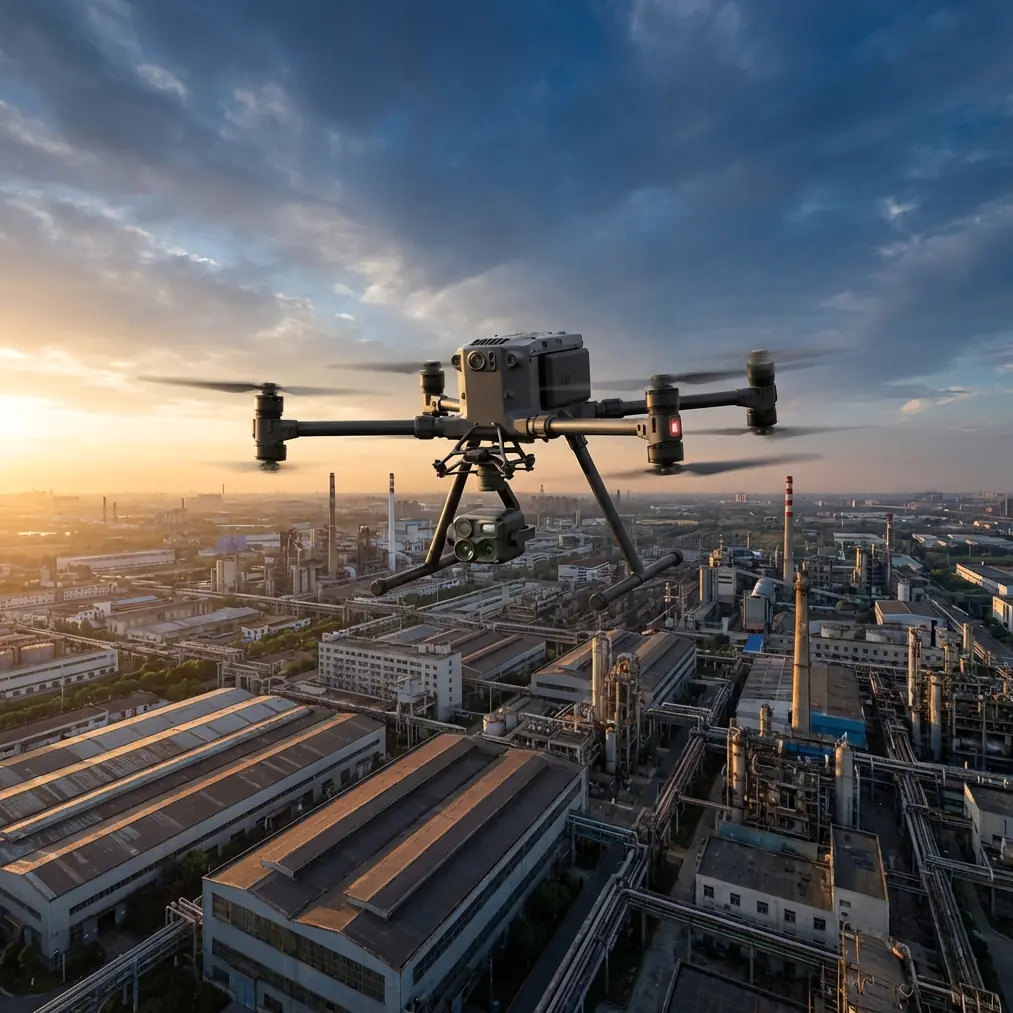
Inspecting Windy Fields with the Matrice 4T: A Specialist’s Case Notes
META: A field-tested case study on using the DJI Matrice 4T for windy agricultural inspections, with practical tips on thermal signature checks, pre-flight cleaning, transmission stability, battery workflow, and data quality.
Wind changes everything in agricultural drone work. It changes how quickly you can cover acreage, how confidently you can hold framing over a drainage line, and how much trust you place in the data once the aircraft is back on the ground. When readers ask me whether the Matrice 4T is suitable for inspecting fields in windy conditions, I usually answer with a story rather than a specification sheet.
I’m Dr. Lisa Wang, and one of the more revealing recent field sessions involved a mixed-use farm block where the operator needed to check irrigation uniformity, tree-line stress, and heat anomalies around pump infrastructure. The site itself was not extreme. The challenge was consistency. Gusts were rolling across open ground, the crop canopy was moving, and every pass demanded a little more discipline than a calm-day mission.
The Matrice 4T stood out not because wind magically stopped mattering, but because the aircraft’s workflow let us protect data quality while keeping the operation practical.
The first step was not takeoff
Before the props spun up, we did something many crews rush through: a cleaning-focused pre-flight on the vision and safety surfaces. That sounds basic. In a windy farm environment, it is not.
Dust, pollen, spray residue, and fine chaff can build up quickly around sensors and optical surfaces. On a platform used for close visual work and thermal assessment, that matters twice. A smudged lens can soften visible detail; contamination near sensing surfaces can also undermine the reliability of obstacle-related safety functions during low-altitude work near tree rows, poles, sheds, and irrigation structures.
So our first routine was simple and deliberate:
- inspect and wipe external camera glass
- check the thermal sensor window for residue
- clean the aircraft’s vision and positioning-related surfaces
- inspect motor arms and vents for lodged debris after transport
- verify battery contacts are clean before insertion
That pre-flight cleaning step is not housekeeping for its own sake. It protects the very features crews depend on when flying a structured route in a variable breeze. If your safety systems and imaging chain are compromised before launch, no amount of pilot skill fully recovers what you lose.
Why the 4T format suits field inspection work
The Matrice 4T is especially useful when a field inspection has more than one question to answer. That was the case here. The farm manager did not simply want a map. He wanted to know whether heat patterns suggested blocked irrigation, whether perimeter fencing and pump housings showed irregular hot spots, and whether certain crop sections needed closer agronomic follow-up.
That is where thermal signature work becomes operationally valuable. In farmland, thermal imaging is often less about dramatic imagery and more about pattern recognition. A warm motor housing at a pump station, a cooler strip tied to overwatering, or an inconsistent heat pattern across a row can direct attention fast. On a windy day, the advantage of capturing that thermal layer during the same deployment is obvious: fewer repeat flights, less exposure to changing weather, and faster decisions.
At the same time, many field teams still need conventional imagery for documentation, reporting, or photogrammetry. Even if a mission is not designed as a survey-grade map from start to finish, there is real value in collecting imagery that can support follow-up analysis. If the operator later wants to align observations with GCP-based workflows or compare sections over time, the mission has already created a useful base.
That mix is why the Matrice 4T tends to fit inspection-heavy agricultural workflows better than a single-purpose aircraft. It supports quick interpretation in the field without boxing the team into one type of deliverable.
Wind exposes weak procedures faster than weak aircraft
The common mistake in windy field inspections is to think only in terms of aircraft stability. Stability matters, of course, but procedure matters more.
In this case, we shortened the mission logic rather than asking the drone to brute-force the whole property in one sweep. We split the work into smaller blocks based on exposure:
- open field edges first, while the operator was freshest and battery reserves were highest
- sheltered rows second, where low-altitude positioning required more attention
- infrastructure checks last, when thermal observations could be interpreted against the visible findings already collected
This sounds like a scheduling detail, but it changes outcomes. Gusts often affect pilot workload before they affect basic airworthiness. If you structure the mission so the most demanding segments happen first, you preserve a margin that often gets squandered in long, linear inspections.
The Matrice 4T’s transmission reliability also plays a real role here. O3 transmission is not just a brochure feature when you’re working across farmland with patchy visual contrast and intermittent obstructions at the edge of the route. A stable downlink helps the pilot make clean framing decisions and verify whether a suspected anomaly is real or just crop movement and shadow interplay. In windy conditions, that confidence matters because the aircraft may not linger perfectly over a point of interest for long.
Data security is not an abstract issue on commercial farms
A detail many farm operators appreciate more than outsiders expect is secure handling of imagery and mission data. Agricultural inspections can reveal sensitive operational information: irrigation layout, equipment condition, crop variability, and property boundaries. That makes transmission and storage practices part of the conversation, not an IT afterthought.
This is where AES-256 becomes meaningful in plain operational terms. Strong encryption supports safer handling of mission data when teams are documenting commercial land assets or sharing findings with remote agronomy, maintenance, or management stakeholders. For operators exploring more advanced workflows, including longer-range route planning or eventual BVLOS program development where regulations permit, disciplined data handling becomes even more relevant.
I’m careful with BVLOS discussions because the legal framework varies, and windy conditions already demand conservative planning. Still, the Matrice 4T sits in the category of aircraft that prompts organizations to think beyond basic manual flights. When that happens, secure communications stop being a technical footnote and become part of operational readiness.
Battery workflow made a bigger difference than many expect
Another detail from that field day: battery handling determined the pace of the inspection more than raw flight ambition did.
Hot-swap batteries are one of those features people tend to appreciate only after they have spent time in real operations. In a windy environment, you do not want unnecessary delays between flights while conditions shift, crop movement changes, and thermal patterns drift with sunlight and airflow. A faster turnaround helps keep the inspection consistent from one sortie to the next.
Operationally, the benefit showed up in three ways:
- the crew maintained momentum without rushing checks
- thermal comparisons across adjacent zones stayed more consistent in time
- the pilot could land with a comfortable reserve rather than stretching each sortie
That last point matters. Windy agricultural missions can create bad habits if teams become obsessed with finishing “just one more row” before changing batteries. A hot-swap workflow reduces that temptation. You fly cleaner missions, land earlier, and preserve decision-making quality.
Thermal work in fields requires interpretation, not just capture
One of the most useful lessons from the day involved a suspected irrigation issue. On the thermal view, a section near the middle of the block showed a subtle temperature difference. It would have been easy to overread it. Instead, we cross-checked with visible imagery, looked at wind direction, and considered canopy movement.
That is a key point for anyone using the Matrice 4T in agriculture: thermal signature data is only as good as the operator’s interpretation. Wind can cool exposed surfaces unevenly, shift leaf orientation, and create mixed readings around edges and gaps in canopy. The aircraft gives you the layer; judgment turns that layer into a useful finding.
For that reason, I often recommend using thermal not as a verdict but as a triage tool. It tells you where to look harder. In our case, the thermal anomaly was real, but it was linked less to a major irrigation failure and more to a localized distribution inconsistency compounded by plant spacing. That still mattered to the client. It simply meant the next action was targeted field verification, not broad intervention.
What about photogrammetry in gusty conditions?
This mission was not a strict survey assignment, but photogrammetry still entered the workflow. If you plan to derive measurable outputs from imagery captured in wind, discipline becomes more important than enthusiasm.
My rule is straightforward: if the wind is pushing you toward marginal image consistency, do not pretend software will solve everything later. Instead:
- fly with more overlap than you think you need
- maintain conservative speed over areas where fine detail matters
- avoid mixing highly variable altitudes without good reason
- use GCPs if the deliverable actually needs stronger positional confidence
That final point is often skipped in field inspections that later evolve into measurement requests. GCPs are not mandatory for every job, but when a farm client expects repeatable comparison or location-specific action, they can make the difference between “useful picture” and “defensible dataset.”
The Matrice 4T can sit comfortably in that hybrid space: part inspection tool, part data collection platform. The caveat is that operators must decide before takeoff which standard the mission is meant to meet.
Practical advice I’d give any team flying the 4T over windy fields
The case itself reinforced a handful of habits worth keeping.
1. Clean before every launch, even if the aircraft flew yesterday
The pre-flight cleaning step is especially valuable around agricultural dust and residue. It protects image quality and supports reliable safety sensing.
2. Build shorter missions
Wind taxes attention. Shorter, purposeful sorties usually produce better field intelligence than one long, fatiguing flight.
3. Use thermal to prioritize, not to speculate
A heat pattern is a clue. Pair it with visible imagery and site knowledge before making recommendations.
4. Treat transmission quality as part of data quality
O3 transmission helps maintain situational awareness and framing confidence over broad farmland. That directly affects what your client can trust later.
5. Plan your battery rhythm
Hot-swap batteries are most valuable when they support conservative flight decisions, not when they encourage overextension.
6. If the mission may become a mapping reference, prepare for it
That means overlap discipline, stable capture logic, and GCP use where the output requires stronger positional integrity.
The larger lesson from this Matrice 4T field session
What I took from that day was not that the Matrice 4T somehow removes weather from the equation. It does something more useful. It gives skilled crews enough flexibility to adapt when conditions are imperfect.
That flexibility comes from the combination of thermal and visible inspection capability, reliable transmission, secure data handling through AES-256, and practical field features such as hot-swap battery workflow. None of those details should be viewed in isolation. Together, they shape whether the aircraft remains productive when the environment is less cooperative than the flight plan hoped.
For field inspection teams, that is the real threshold. Not whether a drone looks capable in ideal conditions, but whether it still helps you make sound decisions when the wind picks up and the mission has to stay useful.
If you’re building a field inspection workflow around the Matrice 4T and want to compare setup options or mission planning choices, you can message our drone specialists here.
Ready for your own Matrice 4T? Contact our team for expert consultation.