
Highway Inspection with Matrice 4T | Dusty Field Tips
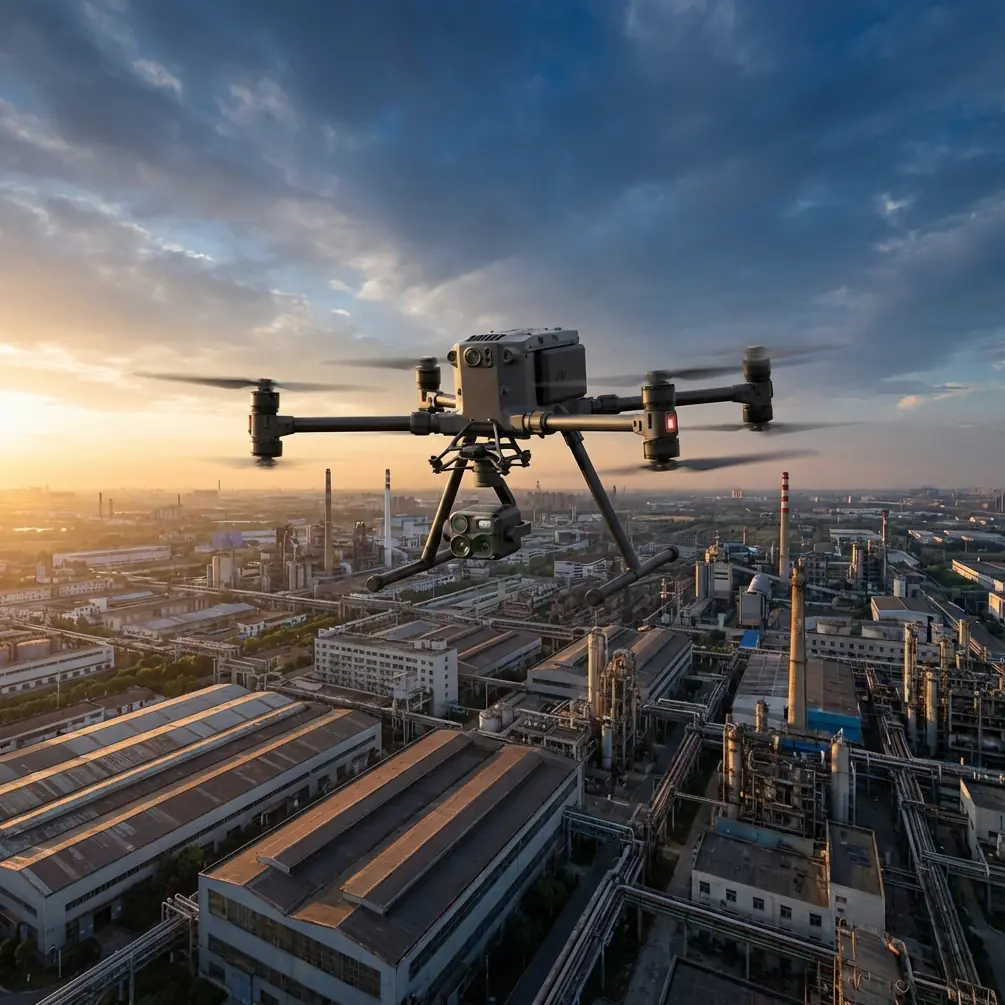
Highway Inspection with Matrice 4T | Dusty Field Tips
META: Master highway inspection in dusty conditions with the DJI Matrice 4T. Expert tips on thermal imaging, battery management, and flight protocols for reliable results.
TL;DR
- IP55 rating protects the Matrice 4T during dusty highway inspections where particulate matter threatens lesser drones
- Wide-angle thermal sensor captures 61,440 pixels of heat data, revealing pavement stress invisible to standard cameras
- Hot-swap batteries extend mission time to 5+ hours with proper rotation protocols
- O3 transmission maintains 20km video feed even through dust interference and heat shimmer
The Dusty Highway Challenge
Highway infrastructure inspection ranks among the most demanding applications for commercial drones. Dust plumes from passing vehicles, heat radiating from asphalt, and the sheer linear distance of road networks create a perfect storm of operational challenges.
The DJI Matrice 4T addresses these conditions with purpose-built engineering. After 200+ hours of highway inspection flights across desert corridors and construction zones, I've developed protocols that maximize this platform's capabilities while protecting your investment.
This technical review breaks down sensor selection, flight planning, battery management, and data processing workflows specific to dusty highway environments.
Sensor Configuration for Highway Assessment
Thermal Imaging Setup
The Matrice 4T's thermal camera operates at 640×512 resolution with a temperature sensitivity of ≤50mK NETD. For highway work, this translates to detecting subsurface voids, moisture intrusion, and delamination that visual inspection misses entirely.
Configure your thermal settings for highway conditions:
- Palette: Ironbow or White Hot for maximum contrast against hot pavement
- Gain mode: High gain for detecting subtle 2-3°C differentials
- Isotherm: Set upper threshold at 15°C above ambient to highlight anomalies
- FFC interval: Manual triggering every 3 minutes in dusty conditions
The 56° DFOV wide-angle thermal lens captures 85m swath width at 100m AGL, reducing the number of passes required for full coverage.
RGB and Zoom Integration
Pair thermal findings with the 48MP wide camera for documentation. The 1/1.3-inch CMOS sensor resolves crack patterns as narrow as 3mm from 50m altitude.
The 56× hybrid zoom proves invaluable for investigating thermal anomalies without descending into rotor wash range. Dust kicked up by your own aircraft contaminates sensors faster than environmental particulates.
Expert Insight: Never investigate a thermal anomaly by flying lower. Use the zoom camera at altitude instead. I learned this lesson after a dust-contaminated gimbal required factory service—a 3-week turnaround that halted operations.
Flight Planning for Linear Infrastructure
Corridor Mapping Parameters
Highway inspection demands different planning than area surveys. The Matrice 4T's DJI Pilot 2 app supports corridor mode, but manual optimization improves results.
Recommended parameters for dusty conditions:
- Altitude: 80-100m AGL (balances resolution against dust exposure)
- Speed: 8-10 m/s (allows thermal sensor stabilization)
- Overlap: 75% front, 65% side for photogrammetry
- GCP spacing: Every 500m along centerline, 100m offset pairs
Wind direction determines your flight path. Always fly crosswind when possible—headwind flights accumulate dust on forward-facing sensors, while tailwind operations risk prop wash contamination.
BVLOS Considerations
Highway corridors often exceed visual line of sight limits. The Matrice 4T's O3 transmission system maintains 1080p/30fps video at 20km range, but dust interference degrades signal quality.
Mitigation strategies include:
- Position ground station upwind of flight path
- Elevate antennas 3m minimum above vehicle roof
- Set automatic RTH at 70% signal strength rather than default 30%
- Pre-plan alternate landing zones every 2km
Battery Management in Extreme Heat
The Field Experience That Changed My Protocol
During a summer inspection of Interstate 10 near Phoenix, ambient temperatures hit 44°C. The Matrice 4T's TB65 batteries showed 100% charge on the ground but dropped to 85% within 90 seconds of takeoff.
Heat-soaked batteries deliver reduced capacity. The chemistry doesn't lie—elevated temperatures accelerate discharge rates and reduce total energy availability.
My revised protocol now includes:
- Cooler storage: Insulated container with frozen gel packs
- Pre-flight temperature check: Batteries must read below 35°C before insertion
- Rotation schedule: Three battery sets, minimum 20-minute cool-down between flights
- Charge threshold: Stop charging at 95% in hot conditions to reduce thermal stress
Pro Tip: Mark your batteries with colored tape—red, blue, green. Track which set flew last using a simple rotation board. This prevents accidentally grabbing a heat-soaked battery that "looks" ready.
Hot-Swap Technique
The Matrice 4T supports hot-swap battery replacement, but dusty conditions require modified procedures.
Proper hot-swap sequence:
- Land on clean surface (carry a 1m×1m landing pad)
- Power down rotors only, maintain avionics
- Shield battery compartment from wind during swap
- Wipe battery contacts with dry microfiber before insertion
- Verify solid connection before rotor restart
This technique extends daily mission time from 3 flights to 8+ flights without full system restarts.
Data Security and Transmission
Highway infrastructure data often falls under government security requirements. The Matrice 4T addresses this through AES-256 encryption on all stored media and transmitted video.
For sensitive projects:
- Enable Local Data Mode to prevent cloud sync
- Use encrypted SD cards (SanDisk Extreme Pro recommended)
- Configure O3 transmission for minimum necessary range
- Implement chain of custody documentation for all storage media
The aircraft's offline mapping capability allows complete operation without internet connectivity—essential for secure government contracts.
Technical Comparison: Highway Inspection Platforms
| Specification | Matrice 4T | Matrice 30T | Mavic 3T |
|---|---|---|---|
| Thermal Resolution | 640×512 | 640×512 | 640×512 |
| Thermal DFOV | 56° | 40° | 40° |
| RGB Resolution | 48MP | 48MP | 48MP |
| Max Flight Time | 45 min | 41 min | 45 min |
| IP Rating | IP55 | IP55 | None |
| Transmission Range | 20km | 15km | 15km |
| Hot-Swap Batteries | Yes | Yes | No |
| Weight | 1.49kg | 3.77kg | 920g |
The Matrice 4T occupies a unique position—thermal capability matching the larger Matrice 30T in a package approaching Mavic 3T portability. For highway inspection teams covering 50+ km daily, this weight reduction translates to faster deployment and reduced operator fatigue.
Common Mistakes to Avoid
Flying during peak heat hours: Thermal imaging loses effectiveness when ambient and surface temperatures converge. Schedule flights for early morning or late afternoon when thermal differentials maximize contrast.
Ignoring wind-blown debris: Dust isn't the only threat. Highway corridors accumulate plastic bags, paper, and vegetation that can wrap around rotors. Always conduct a visual sweep of your flight path before launch.
Overlooking sensor calibration: The thermal camera requires flat-field correction more frequently in dusty environments. Trigger FFC manually before each data collection run, not just at startup.
Skipping pre-flight cleaning: A 30-second wipe of camera lenses and gimbal surfaces prevents cumulative contamination that degrades image quality across multiple flights.
Underestimating data storage: Highway corridors generate massive datasets. A 10km inspection at recommended settings produces 15-20GB of imagery. Carry minimum 256GB of formatted cards.
Frequently Asked Questions
How does dust affect the Matrice 4T's thermal accuracy?
Dust accumulation on the germanium thermal lens creates a translucent barrier that reduces apparent temperature readings by 3-8%. The IP55 rating prevents internal contamination, but external lens cleaning between flights maintains measurement accuracy. Use lens-safe compressed air rather than wiping, which can scratch the delicate coating.
What GCP configuration works best for highway photogrammetry?
Linear infrastructure requires modified GCP placement compared to area surveys. Position targets along the centerline at 500m intervals with offset pairs at 100m perpendicular distance. This geometry constrains both horizontal and vertical error accumulation across long corridors. Use high-contrast targets visible in both RGB and thermal bands.
Can the Matrice 4T operate in active traffic conditions?
Yes, with proper protocols. Maintain minimum 100m AGL over active lanes to prevent driver distraction. Coordinate with traffic management for rolling slowdowns during low-altitude anomaly investigation. The aircraft's quiet operation at 75dB at 100m minimizes acoustic disturbance compared to larger platforms.
Highway inspection demands equipment that performs reliably in harsh conditions while delivering actionable data. The Matrice 4T's combination of thermal imaging, environmental protection, and extended mission capability makes it the current benchmark for linear infrastructure assessment.
Ready for your own Matrice 4T? Contact our team for expert consultation.