
Matrice 4T Guide: Scouting Construction Sites in Extreme
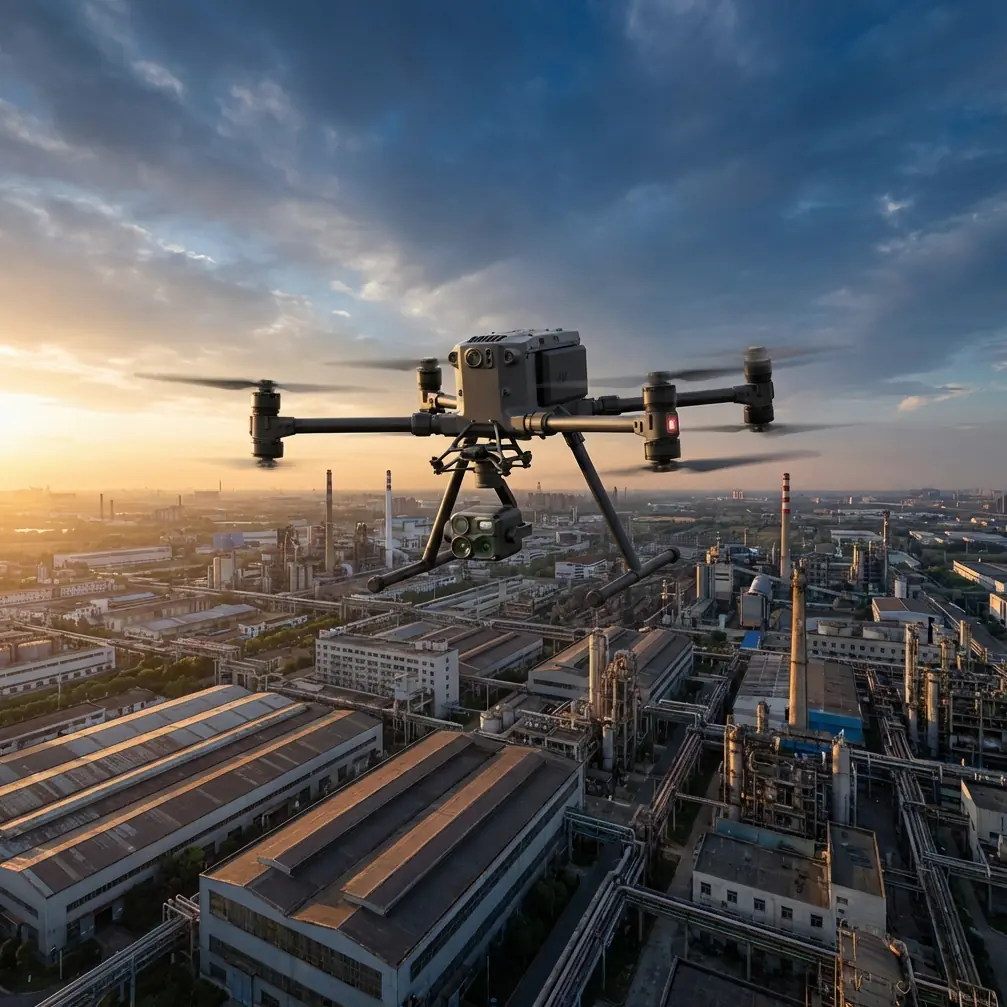
Matrice 4T Guide: Scouting Construction Sites in Extreme Temps
META: Master construction site scouting with the DJI Matrice 4T in extreme temperatures. Expert thermal imaging techniques and flight protocols for accurate surveys.
TL;DR
- Optimal flight altitude of 80-120 meters balances thermal resolution with comprehensive site coverage in temperature extremes
- The Matrice 4T's wide-angle thermal sensor captures construction anomalies invisible to standard cameras
- Hot-swap batteries enable continuous operations when cold weather drains power faster
- O3 transmission maintains reliable video feeds across sprawling construction zones up to 20 kilometers
Construction site managers face a brutal reality: extreme temperatures don't pause project timelines. Whether you're surveying a foundation pour in Arizona's 115°F summers or monitoring concrete curing in Minnesota's -20°F winters, accurate aerial data remains non-negotiable.
The DJI Matrice 4T transforms temperature extremes from project obstacles into actionable intelligence. This tutorial breaks down exactly how to configure, fly, and extract maximum value from thermal and visual surveys when conditions push equipment to its limits.
Why Temperature Extremes Demand Specialized Drone Solutions
Standard consumer drones fail in extreme conditions. Battery chemistry degrades rapidly below 32°F, while electronics overheat above 104°F. Construction sites compound these challenges with dust, debris, and electromagnetic interference from heavy machinery.
The Matrice 4T addresses these realities with an operating temperature range of -4°F to 122°F (-20°C to 50°C). This isn't marketing specification padding—it's engineering designed for professionals who can't reschedule surveys around weather.
Critical Temperature Considerations
Thermal signature interpretation changes dramatically with ambient conditions:
- Cold environments: Greater temperature differential between heated structures and surroundings improves anomaly detection
- Hot environments: Reduced contrast requires adjusted gain settings and optimal timing (early morning or late evening)
- Rapid temperature swings: Dawn and dusk transitions create thermal crossover periods where readings become unreliable
Expert Insight: Schedule thermal surveys when ambient temperature differs from target surfaces by at least 15°F. This differential threshold ensures your thermal data reveals genuine construction issues rather than environmental noise.
Pre-Flight Configuration for Extreme Temperature Operations
Proper preparation prevents the frustrating mid-mission failures that waste time and compromise data quality.
Battery Management Protocol
Cold weather battery performance drops by 20-40% compared to manufacturer specifications. Implement these protocols:
- Pre-warm batteries to 77°F (25°C) using insulated cases with heating elements
- Store spare batteries against your body or in heated vehicle compartments
- Plan missions at 70% of rated flight time in temperatures below freezing
- Utilize hot-swap batteries to maintain continuous operations without powering down
In extreme heat, the opposite challenge emerges. Batteries can overheat during charging, and the aircraft's thermal management system works harder.
- Charge batteries in shaded or air-conditioned environments
- Allow 15-minute cool-down periods between consecutive flights
- Monitor battery temperature warnings in DJI Pilot 2
Sensor Calibration Requirements
The Matrice 4T's thermal sensor requires flat-field correction (FFC) calibration more frequently in temperature extremes. The camera performs automatic FFC, but manual triggering before critical measurements improves accuracy.
| Condition | FFC Frequency | Additional Steps |
|---|---|---|
| Below 32°F | Every 3-5 minutes | Pre-warm aircraft 10 minutes before launch |
| 32°F to 95°F | Standard automatic | None required |
| Above 95°F | Every 5-7 minutes | Shade aircraft between flights |
| Rapid temp change | Before each measurement | Allow 2-minute stabilization |
Optimal Flight Altitude: The 80-120 Meter Sweet Spot
Altitude selection directly impacts data quality. Too low, and you sacrifice coverage efficiency. Too high, and thermal resolution degrades below useful thresholds.
For construction site scouting, 80-120 meters AGL delivers the optimal balance. Here's why this range works:
Thermal Resolution Mathematics
The Matrice 4T's thermal sensor provides a 640×512 resolution with a specific instantaneous field of view (IFOV). At 100 meters altitude, each thermal pixel represents approximately 8.5 centimeters on the ground—sufficient to detect:
- Moisture intrusion in roofing materials
- Insulation gaps in wall assemblies
- Underground utility locations through thermal differential
- Concrete curing anomalies
Coverage Efficiency
At 100 meters, each thermal frame captures roughly 55 meters × 44 meters of ground area. For a typical 10-acre construction site, this translates to:
- Approximately 75-90 thermal images for complete coverage
- 12-15 minute flight time with appropriate overlap
- Single battery mission completion in moderate conditions
Pro Tip: In extreme cold, fly at 120 meters to reduce total flight time and battery consumption. The slight resolution decrease is offset by completing the mission before battery performance degrades significantly.
Photogrammetry Integration for Complete Site Documentation
Thermal data alone tells an incomplete story. The Matrice 4T's 48MP wide-angle camera and 56× zoom telephoto complement thermal imaging for comprehensive site documentation.
GCP Placement Strategy
Ground Control Points dramatically improve photogrammetry accuracy, but extreme temperatures affect GCP visibility and placement:
- Use high-contrast targets (black and white checkerboard patterns)
- In snow conditions, switch to orange or red targets for visibility
- Place GCPs on stable surfaces—frozen ground shifts less than thawing areas
- Document GCP coordinates with RTK-enabled receivers for centimeter-level accuracy
Recommended Capture Settings
| Data Type | Altitude | Overlap | GSD Result |
|---|---|---|---|
| Thermal survey | 100m | 70% front, 60% side | ~8.5 cm/pixel |
| Visual orthomosaic | 80m | 80% front, 70% side | ~2.1 cm/pixel |
| 3D model | 60m | 85% front, 75% side | ~1.6 cm/pixel |
| Detail inspection | 30-50m | Manual capture | <1 cm/pixel |
Data Security and Transmission Considerations
Construction sites often involve proprietary designs, competitive intelligence, and contractual confidentiality requirements. The Matrice 4T addresses these concerns through multiple security layers.
AES-256 Encryption
All data transmission between the aircraft and controller utilizes AES-256 encryption—the same standard protecting classified government communications. This prevents:
- Interception of live video feeds
- Unauthorized access to stored imagery
- Man-in-the-middle attacks on command signals
O3 Transmission Reliability
The O3 transmission system maintains 1080p/60fps video at distances up to 20 kilometers in ideal conditions. On construction sites with electromagnetic interference from welding equipment, generators, and communication systems, expect reliable performance at 8-12 kilometers—still far exceeding typical site dimensions.
For BVLOS operations (where regulations permit), O3 transmission provides the redundancy and reliability required for extended-range missions.
Common Mistakes to Avoid
Even experienced pilots make errors when temperature extremes enter the equation. Learn from others' failures:
Ignoring thermal crossover periods: Flying during sunrise or sunset when ground and air temperatures equalize produces unusable thermal data. Schedule missions for 2+ hours after sunrise or 2+ hours before sunset.
Skipping battery conditioning: Launching with cold batteries causes voltage sags that trigger automatic landing. Always pre-warm to manufacturer specifications.
Overlooking lens condensation: Moving equipment between temperature-controlled vehicles and extreme outdoor conditions causes lens fogging. Allow 10-15 minutes for equipment acclimation.
Using summer flight times in winter: Reduced battery capacity means shorter missions. Recalculate flight plans seasonally.
Neglecting pilot comfort: Cold, uncomfortable pilots make mistakes. Proper clothing and warming breaks improve decision-making and safety.
Post-Flight Data Processing Workflow
Raw thermal and visual data require processing to deliver actionable construction intelligence.
Thermal Analysis Steps
- Import thermal imagery into specialized software (FLIR Thermal Studio, DJI Terra)
- Apply consistent color palettes across all images for comparison
- Set temperature ranges appropriate to construction materials being analyzed
- Generate thermal orthomosaics for spatial context
- Export anomaly reports with GPS coordinates for field verification
Photogrammetry Processing
- Process visual imagery separately from thermal for optimal results
- Align datasets using common GCPs for overlay accuracy
- Generate point clouds, orthomosaics, and 3D models as project requirements dictate
- Archive raw data with AES-256 encryption for future reference
Frequently Asked Questions
How does the Matrice 4T perform in dusty construction environments?
The Matrice 4T features an IP45 ingress protection rating, providing resistance to dust and water spray. For extremely dusty conditions, schedule flights during lower-activity periods or after dust suppression watering. Clean optical surfaces between flights using appropriate lens cleaning tools.
Can I fly the Matrice 4T in rain or snow?
Light precipitation is manageable with the IP45 rating, but heavy rain or snow compromises both flight safety and data quality. Water droplets on thermal sensors create artifacts, and snow accumulation affects aerodynamics. Postpone missions during active precipitation when possible.
What's the minimum temperature for reliable Matrice 4T operations?
The official specification is -4°F (-20°C), but practical limitations emerge earlier. Below 14°F (-10°C), implement aggressive battery warming protocols and reduce expected flight times by 30-40%. Below -4°F, consider postponing non-critical missions.
Mastering construction site scouting in extreme temperatures separates professional drone operators from hobbyists. The Matrice 4T provides the thermal imaging capability, transmission reliability, and environmental resilience these demanding conditions require.
Success depends on understanding how temperature affects every aspect of operations—from battery chemistry to thermal signature interpretation. Apply the protocols outlined here, and temperature extremes become data opportunities rather than operational obstacles.
Ready for your own Matrice 4T? Contact our team for expert consultation.