
M4T Coastal Tracking: Urban Shoreline Mastery Guide
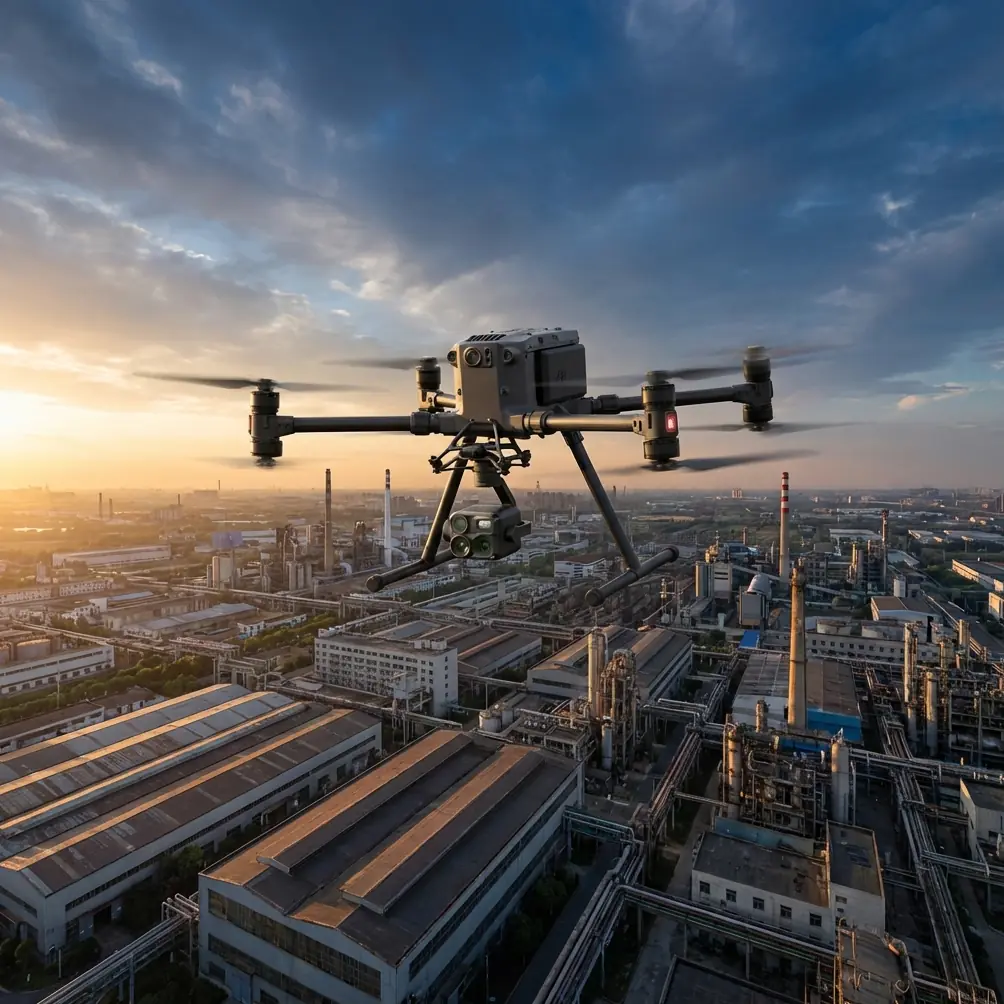
M4T Coastal Tracking: Urban Shoreline Mastery Guide
META: Master urban coastal tracking with the Matrice 4T drone. Expert tips on thermal imaging, flight altitudes, and O3 transmission for shoreline operations.
TL;DR
- Optimal flight altitude of 80-120 meters balances thermal signature detection with urban obstacle clearance along coastlines
- The M4T's 56× hybrid zoom enables detailed coastal infrastructure inspection without entering restricted airspace
- O3 transmission maintains stable video feeds through urban RF interference common in coastal cities
- Hot-swap batteries enable continuous tracking operations across extended shoreline segments
Urban coastal environments present unique challenges that demand specialized drone capabilities. The Matrice 4T combines thermal imaging, precision tracking, and robust transmission systems specifically suited for shoreline operations where buildings meet water. This technical review breaks down exactly how to maximize M4T performance for coastal tracking in dense urban settings.
Understanding Urban Coastal Tracking Challenges
Coastal tracking in urban environments differs fundamentally from open-water or rural operations. You're dealing with three simultaneous variables: dynamic water surfaces, vertical urban structures, and constantly shifting thermal conditions.
The thermal boundary layer along urban coastlines creates unpredictable air currents. Buildings absorb and radiate heat differently than water surfaces, generating localized turbulence that affects both flight stability and thermal signature accuracy.
RF interference compounds these challenges. Urban coastal areas typically host marine communications, cellular towers, and building-based wireless systems—all competing for spectrum space with your drone's control and video links.
Why the Matrice 4T Excels Here
The M4T addresses these specific challenges through integrated sensor fusion. Its wide-angle, zoom, and thermal cameras work simultaneously, allowing operators to maintain situational awareness while tracking specific targets along the shoreline.
The aircraft's IP55 rating provides essential protection against salt spray and coastal humidity—factors that degrade unprotected electronics rapidly in marine environments.
Expert Insight: When tracking along urban coastlines, maintain your thermal camera at -15° to -20° gimbal pitch rather than straight down. This angle captures both waterline activity and adjacent building facades where subjects often transition between environments.
Optimal Flight Parameters for Coastal Operations
Flight altitude selection directly impacts tracking success. Too low, and urban obstacles limit your operational envelope. Too high, and thermal resolution degrades beyond useful detection thresholds.
Altitude Recommendations by Scenario
Active tracking operations: 80-100 meters AGL provides the ideal balance. At this altitude, the M4T's thermal sensor resolves human-sized thermal signatures at approximately 150 meters horizontal distance, while maintaining safe clearance from most coastal structures.
Wide-area surveillance: 100-120 meters AGL extends your effective coverage area. The 640×512 thermal resolution remains effective for vehicle-sized targets and group movements at this altitude.
Detailed inspection work: 40-60 meters AGL when urban obstacles permit. This altitude maximizes photogrammetry accuracy for coastal infrastructure assessment.
Speed and Pattern Considerations
Urban coastal tracking requires modified flight patterns compared to open environments. Linear shoreline following rarely works—buildings create radar shadows and visual blind spots that demand offset positioning.
Effective patterns include:
- Parallel offset tracks at 50-75 meters inland from the waterline
- Serpentine patterns that alternate between water-side and building-side perspectives
- Orbital holds around points of interest using the M4T's automated tracking modes
- Vertical scanning of seawalls and coastal structures using the 56× hybrid zoom
Pro Tip: Program your GCP (Ground Control Points) along the high-tide line rather than current water level. This creates consistent reference points regardless of tidal conditions, dramatically improving photogrammetry accuracy for repeat missions.
Thermal Signature Interpretation in Coastal Environments
Water and urban surfaces create complex thermal backgrounds that challenge target identification. Understanding these patterns separates effective operators from those who miss critical detections.
Thermal Behavior Patterns
Morning operations (sunrise to +3 hours): Buildings retain overnight cooling while water surfaces warm rapidly. Subjects appear as warm signatures against cool building backgrounds but may blend with warming water surfaces.
Midday operations: Maximum thermal contrast between shaded and sunlit areas. Water surfaces show high reflectivity that can mask thermal signatures near the waterline.
Evening operations (sunset to +2 hours): Optimal detection window. Buildings radiate stored heat while water cools, creating consistent backgrounds for target identification.
M4T Thermal Settings for Coastal Work
The Matrice 4T's thermal camera offers multiple palettes, but coastal operations benefit from specific configurations:
| Setting | Recommended Value | Rationale |
|---|---|---|
| Palette | White Hot | Best contrast against water surfaces |
| Gain Mode | High | Maximizes sensitivity in marine humidity |
| Isotherm | Enabled, 32-38°C | Highlights human thermal signatures |
| FFC Interval | Manual | Prevents auto-calibration during critical tracking |
| Digital Zoom | 2× maximum | Preserves thermal resolution |
O3 Transmission Performance in Urban Coastal Zones
The M4T's O3 transmission system delivers 20km maximum range under ideal conditions. Urban coastal environments rarely approach ideal, but the system's design handles interference effectively.
Managing RF Challenges
Coastal cities concentrate RF sources along waterfronts—port communications, marine radar, and dense cellular infrastructure all compete for spectrum. The O3 system's automatic frequency hopping and AES-256 encryption maintain link integrity while securing your video feed.
Practical range in urban coastal environments typically reaches 8-12km with reliable video. This exceeds most operational requirements while providing margin for unexpected interference.
Antenna Positioning
Ground station antenna orientation significantly impacts coastal performance. Position your controller with the antennas perpendicular to the shoreline when operating parallel to the coast. This orientation maximizes signal strength as the aircraft moves along your tracking path.
For operations extending over water, angle antennas 15-20° above horizontal to account for the aircraft's typical position above the water surface.
Hot-Swap Battery Strategy for Extended Operations
Coastal tracking missions often require extended duration—subjects don't conveniently appear within single battery cycles. The M4T's TB65 batteries support hot-swap capability that enables continuous operations when properly planned.
Battery Rotation Protocol
Each TB65 provides approximately 38 minutes of flight under moderate conditions. Coastal wind and thermal camera usage typically reduce this to 28-32 minutes of practical endurance.
Effective rotation requires:
- Minimum 3 battery sets for continuous operations
- Landing with 25% remaining to preserve battery health
- Swap completion within 90 seconds to maintain thermal camera calibration
- Temperature monitoring—coastal humidity accelerates thermal runaway risk in damaged cells
BVLOS Considerations for Coastal Tracking
Beyond Visual Line of Sight operations multiply the M4T's effectiveness for coastal tracking but require additional planning and authorization.
Technical Requirements
The M4T supports BVLOS through its ADS-B receiver and remote ID compliance. These systems provide traffic awareness essential for operations in coastal areas with mixed manned and unmanned traffic.
Effective BVLOS coastal operations require:
- Redundant communication links (O3 primary, cellular backup)
- Pre-programmed return-to-home waypoints along the shoreline
- Visual observers at calculated intervals based on aircraft visibility
- Real-time weather monitoring for coastal fog and precipitation
Common Mistakes to Avoid
Ignoring tidal schedules: Tidal changes alter thermal backgrounds, expose or submerge obstacles, and shift subject behavior patterns. Check tide tables before every coastal mission.
Underestimating salt corrosion: Even with IP55 protection, salt accumulation degrades gimbal performance and sensor clarity. Clean all exposed surfaces with fresh water after every coastal operation.
Flying directly over water without purpose: Over-water flight eliminates emergency landing options. Maintain shoreline proximity unless mission requirements specifically demand water overflight.
Neglecting wind gradient effects: Coastal wind speeds vary dramatically between surface level and operating altitude. Surface readings underestimate conditions the aircraft experiences.
Using automatic thermal calibration during tracking: The M4T's flat-field correction momentarily blanks the thermal image. Switch to manual FFC and calibrate only during non-critical mission phases.
Frequently Asked Questions
What transmission frequency works best for urban coastal M4T operations?
The O3 system automatically selects optimal frequencies, but manually selecting 5.8GHz often improves performance in coastal areas where 2.4GHz congestion from marine electronics is common. Monitor your link quality indicator and switch bands if degradation occurs.
How does coastal humidity affect the M4T's thermal camera performance?
High humidity reduces thermal contrast by absorbing infrared radiation between the target and sensor. The M4T's 640×512 uncooled sensor handles moderate humidity well, but performance degrades noticeably above 85% relative humidity. Schedule operations during lower humidity periods when possible.
Can the M4T track moving vessels along urban coastlines?
Yes. The M4T's ActiveTrack and Spotlight modes effectively track vessels at speeds up to 50 km/h. For faster targets, use manual tracking with the zoom camera while the thermal camera maintains wide-area awareness. The 56× hybrid zoom enables identification of vessel details from safe standoff distances.
Urban coastal tracking demands equipment that handles environmental complexity without compromising operational capability. The Matrice 4T delivers the sensor integration, transmission reliability, and flight endurance these missions require.
Ready for your own Matrice 4T? Contact our team for expert consultation.