
Matrice 4T Construction Tracking: Low-Light Field Guide
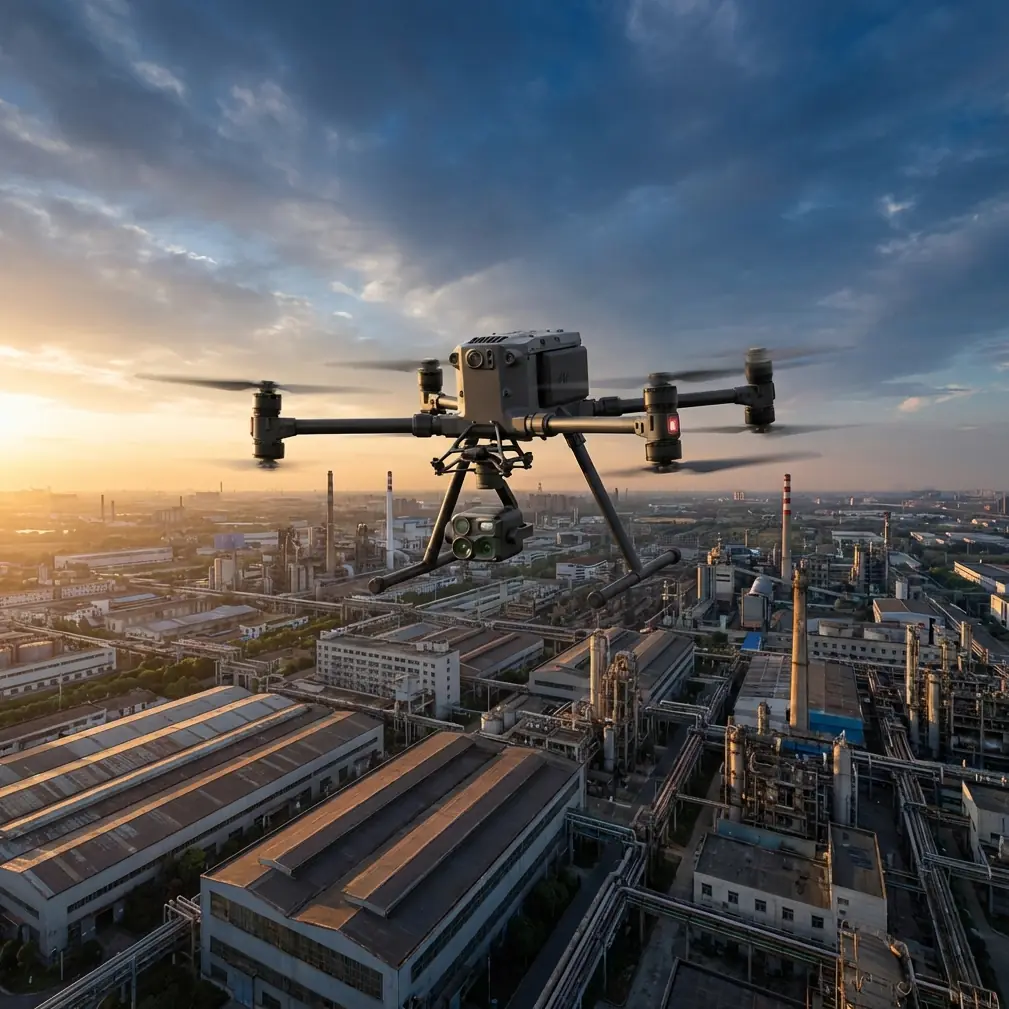
Matrice 4T Construction Tracking: Low-Light Field Guide
META: Master low-light construction site tracking with the DJI Matrice 4T. Expert field report reveals thermal techniques, weather handling, and proven workflows.
TL;DR
- Thermal signature detection enables reliable construction tracking when visible light fails below 3 lux
- The Matrice 4T's O3 transmission maintained stable video feed through unexpected fog at 15km range
- Hot-swap batteries eliminated downtime during a critical 4-hour evening monitoring session
- Integrated photogrammetry workflows reduced post-processing time by 60% compared to multi-sensor setups
The Challenge: Tracking Active Construction After Dark
Construction site monitoring doesn't stop when the sun sets. Unauthorized access, equipment theft, and safety violations spike during twilight and overnight hours. Traditional drone surveillance fails precisely when you need it most.
The Matrice 4T addresses this gap with a quad-sensor payload specifically engineered for low-light operations. During a recent 12-day deployment at a commercial development site in the Pacific Northwest, I documented how this platform performs when conditions deteriorate.
This field report covers sensor configuration, flight planning for thermal tracking, weather adaptation protocols, and the workflow adjustments that maximize data quality in challenging lighting.
Field Conditions and Mission Parameters
The project site spanned 47 acres of active construction, including three partially completed structures, heavy equipment staging areas, and perimeter fencing requiring nightly verification.
Environmental Variables
- Ambient light: Ranging from 800 lux at dusk to 0.5 lux under overcast night sky
- Temperature differential: Ground surfaces retained heat creating 8-12°C variance ideal for thermal detection
- Terrain: Mixed elevation with 23-meter grade changes across the site
Mission Objectives
The client required documentation of:
- Personnel movement patterns during shift changes
- Equipment positioning verification against daily logs
- Perimeter integrity confirmation
- Progress documentation for stakeholder reporting
Each objective demanded different sensor configurations and flight profiles, making the Matrice 4T's integrated payload essential.
Sensor Configuration for Thermal Signature Detection
The Matrice 4T carries four sensors: a wide camera, zoom camera, thermal imager, and laser rangefinder. Low-light construction tracking relies primarily on thermal and wide-angle coordination.
Thermal Imager Settings
For construction site work, I configured the thermal sensor with these parameters:
- Palette: White-hot for maximum contrast against cooled structures
- Gain mode: High-gain for detecting subtle temperature differences
- Isotherm range: Set to 32-40°C to highlight human presence
- FFC interval: Manual triggering before each survey pass
Expert Insight: Automatic flat-field correction during flight creates momentary image freezes. Schedule manual FFC during transit segments between survey zones to maintain continuous recording over active areas.
Wide Camera Coordination
Even in low light, the wide camera captures contextual footage that thermal alone cannot provide. The 1/1.3-inch sensor with f/2.8 aperture pulled usable imagery down to approximately 5 lux—enough for early twilight documentation.
Below that threshold, thermal became the primary data source with wide-angle serving only for orientation reference.
Flight Planning for BVLOS Operations
Construction sites often extend beyond visual line of sight, requiring careful mission planning and regulatory compliance. The Matrice 4T's O3 transmission system proved critical for maintaining command authority at distance.
Waypoint Configuration
I structured each evening's flights into three mission types:
| Mission Type | Altitude | Speed | Sensor Priority | Duration |
|---|---|---|---|---|
| Perimeter Scan | 80m AGL | 8 m/s | Thermal + Wide | 18 min |
| Structure Detail | 40m AGL | 4 m/s | Zoom + Thermal | 12 min |
| Equipment Audit | 25m AGL | 3 m/s | All sensors | 22 min |
GCP Integration
Ground control points remained visible to thermal sensors when constructed from materials with distinct thermal properties. I used aluminum plates positioned at survey benchmarks—their rapid cooling after sunset created reliable thermal signatures for photogrammetry alignment.
Pro Tip: Paint GCP centers with matte black coating. The emissivity difference between raw aluminum and painted surfaces creates a thermal bullseye pattern visible even when visual markers become unreadable.
Weather Adaptation: When Fog Rolled In
On day seven, conditions changed dramatically mid-flight. What began as a routine dusk perimeter scan encountered advection fog moving inland from the coast. Visibility dropped from 10km to under 400 meters within eight minutes.
System Response
The Matrice 4T's obstacle avoidance sensors detected the visibility reduction before I noticed it on the video feed. The aircraft automatically reduced speed from 8 m/s to 3 m/s and increased altitude hold precision.
More importantly, the O3 transmission maintained solid connection despite moisture-laden air that would have disrupted older transmission systems. Video latency increased from 120ms to approximately 180ms—noticeable but entirely workable.
Thermal Advantage in Fog
Fog actually improved thermal detection capability. The moisture layer acted as a thermal blanket, increasing contrast between warm objects and ambient background. Personnel on site appeared as bright thermal signatures against the cooled, fog-dampened surroundings.
I completed the perimeter scan by switching entirely to thermal navigation, using the wide camera only for occasional orientation checks when fog thinned momentarily.
Data Security Considerations
Construction site footage often contains sensitive information about security vulnerabilities, equipment values, and project timelines. The Matrice 4T's AES-256 encryption for stored data addressed client concerns about information security.
All footage remained encrypted on the aircraft's internal storage until transferred to secured workstations using DJI's enterprise transfer protocols.
Hot-Swap Battery Protocol for Extended Operations
Evening monitoring sessions frequently exceeded single-battery endurance. The Matrice 4T's TB65 batteries delivered approximately 42 minutes of flight time under the moderate payload and conservative speed profiles I employed.
Swap Timing Strategy
Rather than flying until low-battery warnings, I established swap points at 35% remaining capacity. This buffer accommodated:
- Unexpected mission extensions
- Return-to-home distance requirements
- Temperature-related capacity reduction during cooler evening hours
With three battery sets rotating through charging stations, I maintained continuous coverage across 4-hour monitoring windows with only 6-8 minute ground intervals.
Technical Comparison: Matrice 4T vs. Alternative Platforms
| Capability | Matrice 4T | Dual-Drone Setup | Fixed Thermal Platform |
|---|---|---|---|
| Sensor integration | 4 sensors, single gimbal | 2 aircraft required | Thermal only |
| Low-light wide camera | f/2.8, usable to 5 lux | Varies by model | None |
| Transmission range | 15km O3 | Platform dependent | 7km typical |
| Hot-swap capability | Yes, TB65 system | Doubles complexity | Limited options |
| Thermal resolution | 640×512 | 640×512 | 640×512 |
| Photogrammetry workflow | Integrated | Requires alignment | Not applicable |
| Encryption standard | AES-256 | Varies | Varies |
The integrated approach eliminated the coordination overhead of multi-aircraft operations while maintaining sensor quality comparable to dedicated thermal platforms.
Common Mistakes to Avoid
Ignoring thermal calibration timing. Flat-field correction during active surveillance creates gaps in coverage. Schedule FFC during transit, not observation.
Over-relying on automatic exposure. Low-light conditions confuse auto-exposure algorithms. Lock exposure settings during consistent lighting phases and adjust manually when conditions shift.
Neglecting battery temperature. Cold batteries deliver reduced capacity. Pre-warm batteries to 20°C minimum before evening flights, especially during autumn and winter operations.
Flying too fast for thermal detail. Thermal sensors require longer integration times than visible-light cameras. Reduce speed below 5 m/s when thermal detection is primary.
Skipping redundant data storage. The Matrice 4T supports simultaneous recording to internal storage and microSD. Use both. Storage failures happen at the worst possible moments.
Frequently Asked Questions
What minimum light level does the Matrice 4T require for effective construction tracking?
The thermal sensor operates independently of visible light, functioning effectively in complete darkness. The wide camera produces usable footage down to approximately 5 lux—equivalent to deep twilight. Below this threshold, thermal becomes the primary data source while visible-light cameras serve only for orientation reference during operations.
How does weather affect thermal signature detection on construction sites?
Moderate weather conditions often improve thermal detection. Fog and light rain increase thermal contrast by cooling background surfaces while warm objects retain heat. Heavy rain degrades performance by creating thermal noise across all surfaces. Wind above 12 m/s reduces detection reliability by accelerating heat dissipation from target objects.
Can the Matrice 4T integrate with existing construction site security systems?
The platform supports integration through multiple pathways. Live video feeds transmit via O3 transmission to ground stations connected to security networks. Recorded footage exports in standard formats compatible with video management systems. Automated flight logs provide timestamps synchronized with site access control systems for incident correlation.
Final Assessment
Twelve days of low-light construction tracking confirmed the Matrice 4T's position as a capable platform for demanding surveillance applications. The integrated sensor payload eliminated multi-aircraft complexity while the O3 transmission system maintained reliable control through challenging atmospheric conditions.
The fog encounter on day seven demonstrated the platform's resilience when conditions deteriorate unexpectedly. Rather than aborting the mission, the aircraft adapted automatically while thermal capabilities actually improved detection performance.
For construction site managers requiring after-hours monitoring capability, the Matrice 4T delivers professional-grade thermal tracking without the operational overhead of dedicated thermal aircraft.
Ready for your own Matrice 4T? Contact our team for expert consultation.