
Matrice 4T Field Tracking in Extreme Temperatures
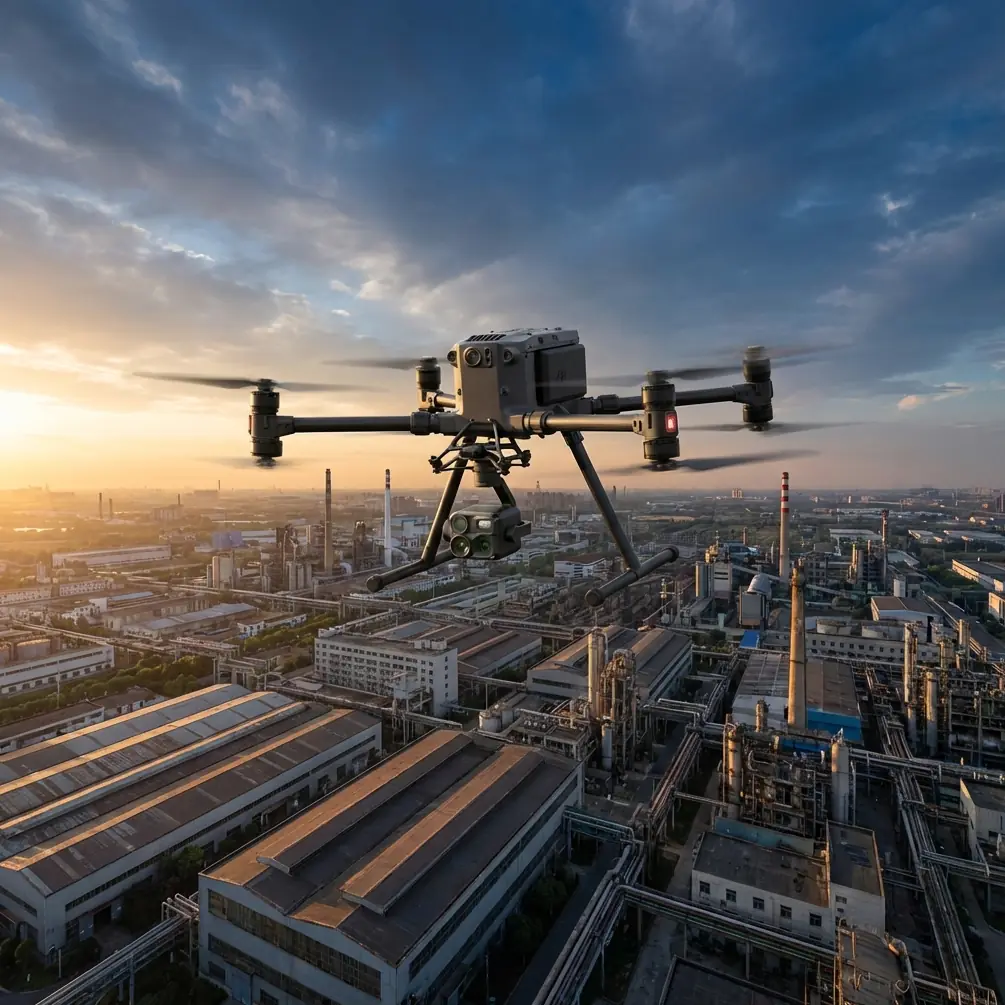
Matrice 4T Field Tracking in Extreme Temperatures: Practical Tactics That Hold Up When Conditions Don’t
META: Expert Matrice 4T field tracking tips for extreme heat and cold, covering thermal signature control, battery management, O3 transmission, AES-256 security, and reliable mission planning.
Extreme temperatures expose weak habits fast. A workflow that feels solid on a mild morning can unravel once the field is shimmering in summer heat or locked down by winter frost. For Matrice 4T operators, that matters because field tracking missions are usually time-sensitive, repetitive, and unforgiving. You are not flying for pretty footage. You are trying to hold a subject, confirm movement patterns, preserve situational awareness, and get usable data back without interruption.
That is where the Matrice 4T earns its keep. Not because it magically removes weather from the equation, but because its toolset gives the pilot enough control to keep working when the environment starts distorting visibility, battery behavior, and radio reliability. If your use case is tracking across open fields in temperature extremes, the real question is not whether the aircraft is capable. It is whether your operational method matches the conditions.
The first problem is thermal interpretation. Operators often assume thermal imaging gets easier when temperatures become more extreme. In reality, extreme heat can flatten contrast in the middle of the day, while extreme cold can create confusing hot spots from machinery, vehicles, irrigation pumps, metal roofs, and even sun-loaded fence lines. A thermal signature only becomes actionable when you understand what the field is doing around it.
With the Matrice 4T, thermal tracking works best when you stop treating heat as a simple highlight layer and start reading it as context. In hot conditions, early morning and late evening usually give cleaner separation because the ground has not yet absorbed or retained as much ambient heat. In cold conditions, the opposite issue can emerge: the subject may stand out clearly, but so can every recently operated piece of equipment. That is why I tell crews to cross-check thermal hits with visible imagery before committing to a track, especially over mixed-use land where animals, workers, utility assets, and vehicles can all create competing signatures.
This is also where zoom discipline matters. Pilots who punch in too early often lose the wider movement pattern that explains what the target is doing. On the Matrice 4T, maintain a broad view long enough to understand direction, speed, and surrounding terrain, then tighten only when you need confirmation. The aircraft is far more useful when it helps you interpret behavior, not just detect heat.
The second problem is battery performance, and this one becomes mission-critical faster than most new operators expect. Extreme cold reduces effective battery output and can make the aircraft feel as though endurance has disappeared without warning. Extreme heat creates a different kind of risk. You may still get decent mission time, but thermal stress accelerates pack wear and narrows your margin if you push hard climbs, high-speed repositioning, or repeated launches without managing cooldown properly.
My best field tip is simple because it came from making the wrong call once: never treat hot-swap batteries as permission to rush the turnaround. Hot-swap capability is invaluable on the Matrice 4T because it cuts downtime during tracking operations, but the operational advantage comes from continuity, not haste. In winter, keep replacement packs warm before insertion and avoid leaving them exposed on a tailgate or frozen ground while you brief the next sortie. In summer, rotate packs in the shade and give recently landed batteries a moment to stabilize instead of immediately cycling them back into service. A battery that is technically ready is not always a battery that is field-ready.
That distinction changes outcomes. I have seen crews blame wind, payload behavior, and even firmware when the real problem was poor pack handling between launches. If you are flying multiple sorties over fields in harsh temperatures, build a battery sequence on paper before the first takeoff. Number the packs. Log insertion order. Note temperature conditions and any unusual voltage sag. The operators who do this rarely get surprised twice by the same issue.
Transmission reliability is the third pressure point. Field tracking sounds straightforward because open land seems radio-friendly. Often it is. Until it is not. Heat shimmer can degrade visual interpretation. Terrain undulations can hide the subject. Tree lines and outbuildings can interrupt the line you thought you had. By the time you realize you are working the edge of the link, you are already task-loaded.
The Matrice 4T’s O3 transmission system matters here because stable video and control responsiveness are not luxuries during a tracking mission. They are the foundation of decision-making. When you are trying to hold a moving subject across a large agricultural block or open utility corridor, a clean downlink lets you decide whether to maintain pursuit, offset for a better angle, or break off before you lose situational control. The practical lesson is to plan your tracking lanes around transmission quality, not just map geometry. Walk the site if needed. Identify likely dead spots before launch. If a ridge, tree belt, or metal structure interferes with the path, do not wait to discover it mid-mission.
Security tends to get pushed down the priority list during field operations, but it should not. The Matrice 4T’s AES-256 capability is relevant for more than policy language. When you are conducting tracking work tied to critical infrastructure, private land management, incident response, or sensitive agricultural operations, securing the data path matters. It protects more than images. It protects location patterns, operating routines, and the broader chain of intelligence that can be inferred from repeated flights.
That security value grows when teams start sharing live observations across dispersed personnel. If your field crew needs fast coordination while operating in difficult temperatures, set up your comms plan before takeoff and keep it lean. I prefer a short decision tree: who validates the thermal contact, who authorizes track continuation, and who logs the observation. If your team needs a direct coordination channel, use a simple field-ready contact path such as message the operations desk rather than improvising mid-flight. Efficiency is rarely about more communication. It is about less ambiguity.
Now let’s talk about the operational trap many teams fall into: they try to use one mission profile for every season. That usually fails. Extreme-temperature tracking needs seasonal tuning.
In hot weather, the field itself becomes part of the problem. Sun-heated soil, roads, irrigation hardware, and parked equipment all complicate thermal interpretation. Air density and rising heat can also affect how stable the image appears when you are trying to assess subtle motion. The fix is not to fly lower automatically. The fix is to fly more deliberately. Start with a wider reconnaissance pass, identify temperature noise sources, and define a track corridor where the subject is least likely to blend into background clutter. If the mission includes repeat visits, document those clutter zones. The same trouble spots tend to repeat.
In cold weather, the challenge shifts from clutter to confidence. Targets can look obvious, which encourages aggressive tracking decisions. But cold-weather operations also punish battery mismanagement, rushed launches, and overconfidence in endurance. If the target is moving across broad fields, crews often keep pushing because visibility feels excellent. Then the return leg becomes the problem. On the Matrice 4T, the better habit is to establish a hard decision point before takeoff: at what remaining battery level do you break pursuit, regardless of how promising the track looks? Decide it on the ground, not in the air.
For operators who also need mapping or documentation after the track, photogrammetry should be treated as a separate task block, not an afterthought bolted onto a pursuit mission. That matters especially in extreme temperatures because battery planning, altitude selection, and overlap discipline all change when you move from active tracking to data capture. If you need accurate field reconstruction after an event, use proper GCP placement and a structured flight plan rather than relying on improvised passes from the tracking sortie. The Matrice 4T can support broader field intelligence, but usable photogrammetry comes from intention. A target track and a defensible map are not the same deliverable.
This separation of mission goals also supports better compliance planning. If your operation edges toward BVLOS workflows, temperature stress makes procedural discipline even more valuable. You need crisp responsibilities, conservative energy margins, and a realistic understanding of how terrain and weather alter visual and radio assumptions. Extreme conditions are not the time to rely on “it usually works” logic. They are the time to remove unnecessary improvisation from the plan.
A practical field setup for the Matrice 4T in extreme temperatures looks less glamorous than people expect. It is mostly about routine. Stage batteries correctly. Confirm thermal palette settings before launch, not after first contact. Verify your transmission path. Assign one person to track the aircraft state and another to interpret the scene if the mission tempo justifies it. Keep your visible and thermal views tied to a single question: what do I need to confirm right now?
That last point is what separates productive tracking from noisy flying. In harsh conditions, operators often collect too much visual information and not enough decision-quality information. The Matrice 4T gives you enough capability to avoid that mistake, but only if you use each system with restraint. Thermal for detection and context. Visible imaging for confirmation. O3 for control continuity. AES-256 for operational security. Hot-swap batteries for reduced downtime, not for careless pacing.
If you build your workflow around those priorities, the aircraft becomes far more predictable in the field. And predictability is what matters when temperatures are extreme. Not theory. Not spec-sheet enthusiasm. Just repeatable performance when the land, the weather, and the mission all start pushing back.
Ready for your own Matrice 4T? Contact our team for expert consultation.