
Matrice 4T Guide: Tracking Wildlife in Complex Terrain
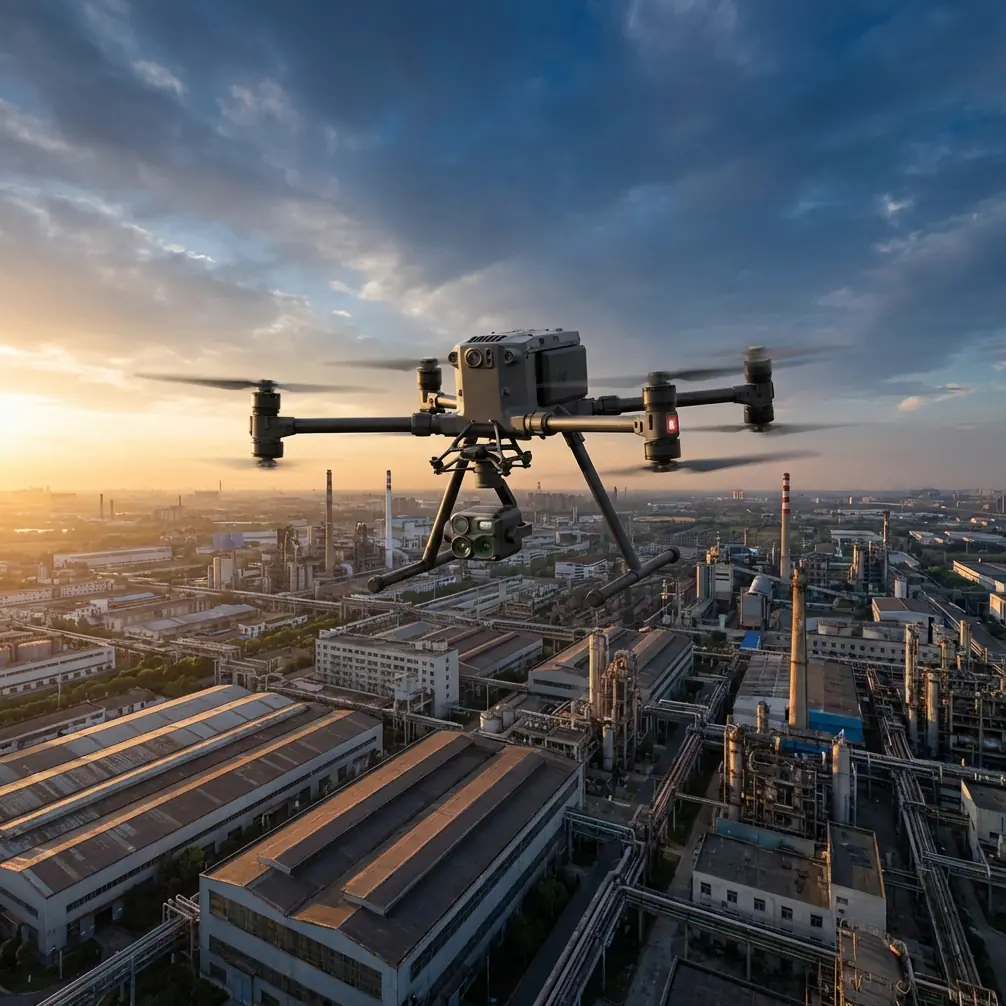
Matrice 4T Guide: Tracking Wildlife in Complex Terrain
META: Master wildlife tracking with the DJI Matrice 4T. Learn thermal imaging techniques, battery strategies, and expert tips for monitoring animals in challenging environments.
TL;DR
- Thermal signature detection enables tracking wildlife through dense canopy and low-light conditions with the Matrice 4T's integrated thermal sensor
- O3 transmission maintains stable video feeds up to 20km, critical for monitoring animals across vast wilderness areas
- Hot-swap batteries keep operations running continuously—a technique that saved my research team during a 6-hour elk migration study
- AES-256 encryption protects sensitive location data for endangered species monitoring programs
Why the Matrice 4T Excels at Wildlife Tracking
Wildlife researchers face a fundamental challenge: animals don't cooperate with observation schedules. They move through terrain that's inaccessible, dangerous, or simply too vast for ground teams to cover effectively.
The Matrice 4T addresses these constraints with a sensor suite specifically designed for detection in difficult environments. Its wide-angle thermal camera captures heat signatures through vegetation, fog, and complete darkness—conditions where optical cameras fail entirely.
Understanding Thermal Signature Detection
Thermal imaging works by detecting infrared radiation emitted by warm-bodied animals. The Matrice 4T's thermal sensor operates in the 8-14μm spectral range, optimized for distinguishing mammals and birds from ambient temperatures.
Key thermal specifications include:
- 640×512 resolution thermal sensor
- Temperature measurement accuracy of ±2°C
- NETD (thermal sensitivity) below 50mK
- Multiple color palettes for different detection scenarios
The white-hot palette typically works best for wildlife against cool forest backgrounds. Switch to ironbow when tracking animals near sun-warmed rocks or pavement where temperature differentiation becomes critical.
Expert Insight: During dawn surveys, I've found that animals are most thermally distinct approximately 30 minutes before sunrise. Ground temperatures are at their coolest, creating maximum contrast with body heat. Plan your flight windows accordingly.
Field Setup for Wildlife Monitoring Missions
Pre-Flight Planning with Photogrammetry Data
Before deploying for wildlife tracking, build a terrain model of your study area. The Matrice 4T's photogrammetry capabilities allow you to create detailed 3D maps that inform flight planning.
Use this data to:
- Identify natural corridors where animals travel
- Map canopy gaps that provide clear thermal viewing angles
- Locate potential GCP (Ground Control Point) positions for georeferenced data
- Plan emergency landing zones in remote areas
Configuring Optimal Flight Parameters
Wildlife tracking demands specific flight settings that balance detection capability with operational safety.
Recommended altitude settings by terrain type:
| Terrain | Optimal Altitude | Thermal FOV Coverage | Notes |
|---|---|---|---|
| Open grassland | 80-100m AGL | ~120m width | Maximum area coverage |
| Mixed forest | 60-80m AGL | ~90m width | Balance canopy penetration |
| Dense canopy | 40-60m AGL | ~70m width | Requires gap navigation |
| Riparian zones | 50-70m AGL | ~85m width | Follow water features |
Set your gimbal pitch to -45° to -60° for forward-looking thermal scans. This angle captures animals ahead of the aircraft while maintaining situational awareness of the terrain.
Battery Management: Lessons from the Field
Here's a technique that transformed our research efficiency: during a week-long elk migration study in Montana, we implemented a rotating battery station system that kept aircraft operational for 6 continuous hours of tracking.
The Matrice 4T's hot-swap battery design makes this possible, but execution requires discipline.
The Three-Battery Rotation Protocol
- Battery A powers the aircraft during active flight
- Battery B charges at the field station
- Battery C remains on standby, fully charged
When Battery A reaches 25% capacity, return to the landing zone. Swap to Battery C immediately—this takes under 90 seconds with practice. Battery A goes onto the charger, Battery B becomes the new standby.
Pro Tip: Label your batteries with colored tape and log flight times religiously. Batteries degrade at different rates based on charge cycles and temperature exposure. After 200 cycles, expect approximately 15% capacity reduction. Retire batteries from critical wildlife missions before they become unreliable.
Cold Weather Considerations
Wildlife activity often peaks during temperature extremes when researchers would prefer to stay indoors. The Matrice 4T operates in temperatures down to -20°C, but battery performance suffers significantly below freezing.
Implement these cold-weather protocols:
- Pre-warm batteries to 20-25°C before flight
- Keep spare batteries in insulated containers with hand warmers
- Reduce expected flight time by 20-30% in sub-zero conditions
- Monitor battery temperature telemetry continuously
Advanced Tracking Techniques
Using O3 Transmission for Extended Range Operations
The Matrice 4T's O3 transmission system maintains HD video links at distances up to 20km in optimal conditions. For wildlife tracking, this capability enables monitoring animals as they move across their natural ranges without repositioning the ground station.
However, extended range operations require careful planning:
- Scout transmission paths for obstacles that cause signal reflection
- Position the ground station on elevated terrain when possible
- Maintain line-of-sight to the aircraft whenever regulations permit
- Configure automatic return-to-home triggers at 30% signal strength
For BVLOS (Beyond Visual Line of Sight) operations, ensure you've obtained appropriate regulatory approvals. Many wildlife research programs qualify for BVLOS waivers given the conservation benefits and controlled operating environments.
Multi-Sensor Data Fusion
The Matrice 4T's strength lies in combining thermal and visual data streams. When tracking wildlife:
- Use thermal to detect and locate animals
- Switch to the 56× hybrid zoom camera for species identification
- Capture high-resolution stills for individual recognition (markings, tags, injuries)
- Return to thermal for continued tracking
This workflow produces research-grade data while maintaining continuous observation. The aircraft's split-screen display mode shows both feeds simultaneously, reducing the need to toggle between sensors.
Common Mistakes to Avoid
Flying too fast over dense vegetation. Thermal signatures need dwell time to register clearly. Reduce speed to 3-5 m/s when scanning forested areas. The brief extra flight time yields dramatically better detection rates.
Ignoring wind patterns. Animals detect drone noise and often flee before visual contact. Approach from downwind whenever possible. The Matrice 4T's relatively quiet operation helps, but wind-carried sound travels far in wilderness environments.
Neglecting data security for sensitive species. Poachers have exploited publicly available research data to locate endangered animals. The Matrice 4T's AES-256 encryption protects transmission, but also encrypt stored data and limit GPS coordinate sharing.
Overrelying on automatic detection. AI-assisted detection features help, but they're trained primarily on common scenarios. Unusual animal postures, partial occlusion, or species outside the training set require human interpretation. Always review thermal footage manually for critical surveys.
Skipping GCP placement. Without ground control points, your georeferenced data may drift by several meters—enough to misplace animal locations in dense habitat. Place minimum 5 GCPs around your survey area for sub-meter accuracy.
Frequently Asked Questions
How close can I fly to wildlife without causing disturbance?
Disturbance distance varies significantly by species. Raptors may tolerate approaches to 50m, while ungulates often flee at 150m or more. Start observations at maximum zoom distance and gradually decrease altitude only if animals show no stress behaviors. The Matrice 4T's 56× zoom allows identification from distances that minimize disturbance.
Can the Matrice 4T track animals at night legally?
Night operations fall under specific regulatory frameworks that vary by jurisdiction. In the United States, Part 107 waivers for night flight are commonly granted for wildlife research. The Matrice 4T's anti-collision lighting and thermal-primary operation make it well-suited for approved nighttime surveys. Always verify local requirements before conducting after-dark missions.
What's the best way to archive wildlife tracking data long-term?
Export thermal video in radiometric format (RJPEG or TIFF sequences) to preserve temperature data for future analysis. Store flight logs alongside video files with consistent naming conventions. Cloud backup with geographic redundancy protects against local storage failures. For endangered species data, consider air-gapped storage systems that prevent network-based access to sensitive location information.
Wildlife tracking with the Matrice 4T transforms what's possible in field research. The combination of thermal detection, extended range transmission, and robust battery systems enables observation programs that were impractical just a few years ago.
Ready for your own Matrice 4T? Contact our team for expert consultation.